
How to Build a Daily Walking Habit That Actually Sticks

Introduction
Walking is one of the simplest yet most effective forms of exercise that can significantly improve physical and mental health. However, starting and maintaining a walking habit can be challenging. In this article, we will explore how to build a daily walking habit that actually sticks. By understanding the science behind habits, setting realistic goals, and integrating walking into your daily routine, you can establish and maintain this beneficial practice for life.
Why Habits Matter More Than Motivation
The Science of Habit Formation
Habits are automatic behaviors that we perform without conscious thought, and understanding their formation is crucial for building a lasting walking routine. According to researchers, habits are formed through a loop of cue, routine, and reward. This habit loop explains how our brains create automatic responses to specific triggers. When it comes to walking, identifying the right cues can facilitate the transition from motivation to habitual behavior.
Neurologically, habits depend on the basal ganglia, the part of the brain responsible for emotions, memories, and pattern recognition. When you repeat an action, your brain begins to encode it as a habit, making it easier to perform over time without exerting much mental energy. Therefore, focusing on small, consistent actions can help create strong walking habits that can ultimately transform into a significant part of your lifestyle.

The Role of Consistency
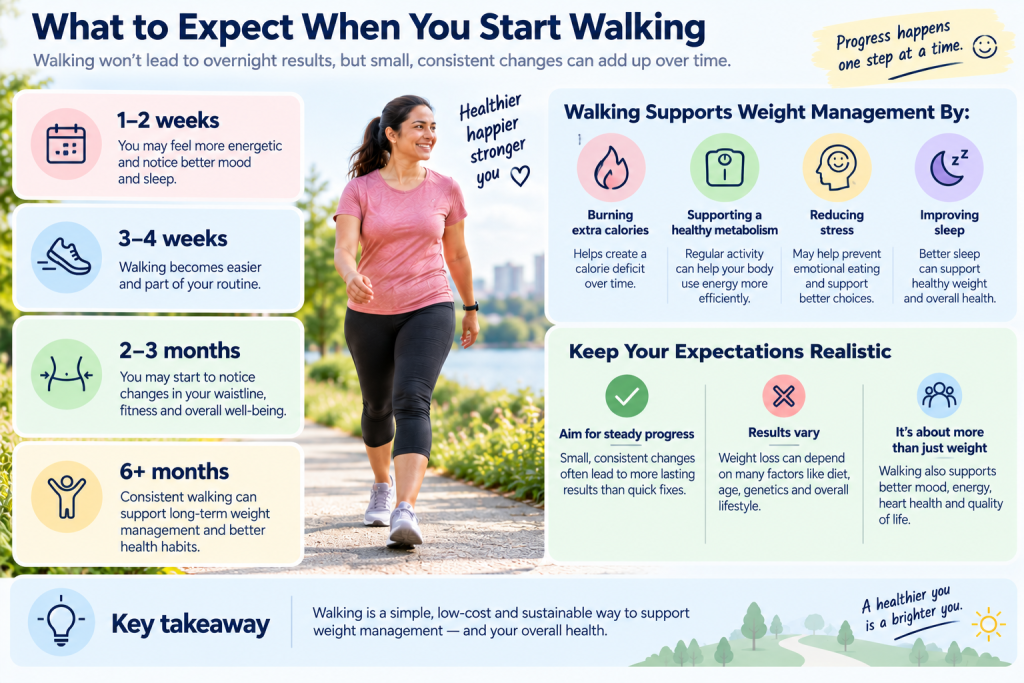
Consistency is the cornerstone of habit formation. Engaging in an activity regularly helps to reinforce the habit loop, creating a strong connection between the cue and the walking behavior. Research indicates that it takes an average of 66 days for a new behavior to become automatic. This means that patience and perseverance are essential when developing a daily walking habit.
Ultimately, the key to consistency lies in making small adjustments that fit seamlessly into your life. This might mean walking for just a few minutes at first, gradually increasing the duration as it becomes a more ingrained part of your daily routine. By emphasizing consistency over intensity, you can make walking an inherent part of your day.
Starting with a Tiny Walking Goal
The 5-Minute Rule
One of the most effective strategies for building a daily walking habit is to start small. The 5-minute rule suggests that you commit to walking for just five minutes each day. This minimal commitment reduces resistance and makes it easier to initiate the behavior. Once you begin walking, many people find it easy to continue beyond the initial five minutes, creating a natural momentum.
Beginning with short walks helps to alleviate feelings of intimidation or overwhelm that can come with starting a new habit. By focusing on this small action, you can gradually increase your walking duration as it becomes more comfortable. Celebrating these small victories is crucial in building your confidence and reinforcing your commitment to walking.
Building Momentum Gradually
As you grow more comfortable with walking, gradually increase the time and frequency of your walks. Aiming for a daily walking goal of 10 minutes, then 15, and so on, allows you to build momentum without feeling overwhelmed. This gradual progression not only helps in physical conditioning but also builds a sense of accomplishment and reinforces your habit.
Consider using a walking schedule. For instance, determine specific days and times when you can walk, ensuring that you maintain consistency. Documenting your progress can also foster motivation; a simple checklist or journal can keep you accountable and focused on your goals.
Anchoring Walks to Existing Routines
Identifying Triggers
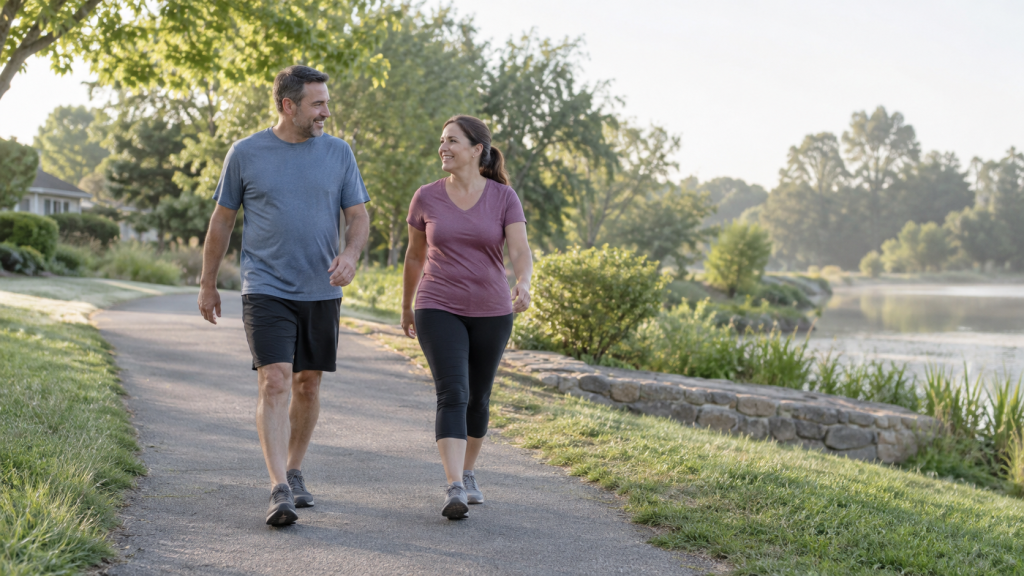
To make walking a regular part of your life, anchor it to existing routines. Identify triggers in your daily schedule that can prompt you to walk. For example, you might decide to take a walk right after breakfast, during your lunch break, or after dinner. By associating walking with an established habit, it becomes easier to remember and initiate.
Using environmental cues can also aid in forming this habit. Placing your walking shoes by the door or setting a reminder on your phone can serve as gentle nudges to encourage you to get moving. These small adjustments in your environment can significantly boost your motivation to walk.
Integrating Walks into Daily Life
Integrating walking into your daily life means finding opportunities throughout the day to incorporate movement. Instead of driving to the store, consider walking if it’s within a reasonable distance. Use stairs instead of elevators and opt for parking farther away from entrances. These choices not only increase your walking time but also help to build active habits without additional time constraints.
Incorporating walking into social activities is another effective strategy. Invite friends or family to join you on walks, turning exercise into a fun social experience. This not only enhances your motivation but also fosters accountability and connection with others, making it easier to stick to your walking routine.
Choosing a Consistent Time and Place
The Importance of Routine
Establishing a specific time and place for your walks can enhance your commitment to this new habit. Whether it’s a morning stroll through your neighborhood or an evening walk in a nearby park, consistency creates a sense of routine that can reinforce the habit loop. By choosing a regular time, you begin to expect and prioritize this activity as part of your daily schedule.
Consistency does not mean rigidity; it’s essential to find a time that works for you. Consider your energy levels throughout the day and choose a time when you feel most inclined to walk. This might vary based on personal preferences, work schedules, or family commitments, but establishing a consistent daily rhythm can help make walking a non-negotiable part of your lifestyle.
Finding Your Ideal Walking Environment
The environment in which you walk plays a significant role in your overall experience. Choose a location that you find enjoyable and safe. Parks, beaches, and scenic neighborhoods can enhance your walking routine, making it more pleasurable. Engaging with nature or visually appealing surroundings can also boost your mood and motivation while walking.
Additionally, consider the time of day and weather conditions when selecting where to walk. Early mornings may offer solitude, while afternoons can provide social opportunities. Be adaptable and willing to change your environment if you find yourself growing bored or unmotivated.
Tracking Your Streak and Progress
The Benefits of Keeping a Record
Tracking your walking streak and progress can significantly enhance your motivation and adherence to your habit. Recording milestones—such as the number of steps taken or the distance walked—provides tangible proof of your efforts and achievements. This not only encourages you to continue but can also help identify patterns in your walking behavior.
Keeping a journal or using a habit-tracking app can offer visual reinforcement, making your efforts feel more rewarding. Seeing your progress over time can boost your confidence and reinforce your commitment to walking as a regular part of your routine.
Using Apps and Tools for Motivation
Various applications are designed to help individuals track their walking habits. Many of these apps provide features such as step-counting, route tracking, and reminders. Some even offer social elements, allowing you to connect with friends or participate in challenges. By leveraging technology, you can create an engaging and motivating experience around your walking habit.
Additionally, consider setting specific challenges for yourself—such as reaching a particular number of steps per week or participating in community walking events. These external motivators can provide an extra push to help you stay committed to your walking goals.
Overcoming Common Obstacles
Addressing Weather Challenges
Weather can often be a significant barrier to maintaining a walking habit. Rain, snow, or extreme temperatures may deter you from stepping outside. However, it’s essential to have a plan for these circumstances. Consider investing in appropriate gear, such as waterproof shoes or layers for colder temperatures, which allows you to walk comfortably in various weather conditions.
Alternatively, seek indoor walking options such as walking on a treadmill or exploring indoor malls and gyms. These alternatives can ensure that you can maintain your walking routine regardless of the weather outside, helping you stay consistent and committed to your goals.
Managing Time Constraints
Time constraints can also hinder your ability to walk daily. However, it’s essential to remember that even short walks can be beneficial. If you find yourself pressed for time, consider breaking your walk into smaller segments throughout the day. A few 10-minute walks can be just as effective as a single longer session and can be easier to fit into a busy schedule.
Additionally, incorporating walking into your other activities can maximize efficiency. For instance, consider walking during phone calls or taking walking breaks while working from home. Finding creative ways to integrate walking into your day can help ensure that you remain active, even when time is tight.
Staying Flexible on Busy Days
Creating Alternative Walking Plans
Life can often throw unexpected challenges your way. On days when you feel overwhelmed or busy, it’s essential to have alternative walking plans. This may include shorter walks or adjusting your walking schedule to accommodate other priorities. Having backup options allows you to stay committed to your habit without feeling guilty for missing your usual routine.
Consider setting a “walking goal” for each day rather than a specific duration. This could be the number of steps or simply the act of getting outside, allowing flexibility while still maintaining your commitment to walking. This adaptability ensures that you prioritize your health, regardless of the day’s demands.
Shortening Walks Without Losing Impact
Even on the busiest days, it’s possible to engage in meaningful walking sessions—even if they are shorter than usual. A brisk 5 or 10-minute walk can still provide significant benefits, including improved mood and enhanced circulation. Focus on maintaining a brisk pace rather than the duration of your walk to maximize the benefits.
When time is limited, consider incorporating interval walking. Alternating between brisk walking and a slower pace can increase your heart rate in a shorter time frame, making the most out of your limited walking time. This approach not only boosts the efficiency of your workout but also keeps you engaged and motivated.
Rewarding Yourself and Staying Consistent
The Psychology of Rewards
The psychology of rewards plays a vital role in habit formation. When you complete your walking goal, rewarding yourself can enhance your motivation and reinforce the behavior. Rewards can be as simple as enjoying a favorite snack, treating yourself to a new pair of walking shoes, or enjoying a relaxing bath after a week of successful walking.
Establishing a reward system helps create positive associations with walking, making it something you look forward to rather than perceive as a chore. Over time, these rewards can help solidify walking as a delightful habit embedded in your daily life.
Setting Milestones and Celebrating Success
Setting specific milestones can provide a structured path toward achieving your walking goals. Whether that’s reaching a certain number of steps, walking a specific distance, or maintaining a consistent schedule for several weeks, celebrating these milestones can significantly boost your motivation.
Consider hosting small celebrations for yourself upon reaching these milestones—this could mean sharing your success with friends or treating yourself to a fun outing. By recognizing and celebrating your achievements, you reinforce the importance of your walking habit and inspire yourself to continue moving forward.
Conclusion
Building a daily walking habit is a journey that requires understanding, consistency, and adaptability. By leveraging the science of habit formation, setting realistic objectives, and integrating walking seamlessly into your life, you can cultivate a lifestyle marked by health and wellness. Remember, success lies not only in the distance walked but in the small steps taken each day toward creating a sustainable and enjoyable walking routine. Embrace the journey, celebrate your progress, and let walking enrich your life.
FAQs
How long should I walk daily to see benefits?
While even short walks can be beneficial, aiming for at least 30 minutes of moderate walking most days of the week is recommended for optimal health benefits.
What is the best time of day to walk?
The best time to walk depends on your schedule and personal preference. Morning walks can energize you for the day, while evening walks can help you unwind. Find what fits best into your routine.
Can I walk indoors?
Absolutely! Indoor walking can be just as effective. You can walk on a treadmill, around your home, or in indoor shopping malls to keep up your walking habit during inclement weather.
What should I wear for walking?
Comfortable clothing and supportive footwear are essential for walking. Choose moisture-wicking materials for clothes and ensure your shoes provide adequate support and cushioning.
How can I stay motivated to walk daily?
Set achievable goals, track your progress, find a walking buddy, and reward yourself for reaching milestones to maintain motivation. Making walking enjoyable can also enhance adherence to your routine.