
How Many Steps a Day Do You Really Need? What the Science Says

In recent years, there has been a growing emphasis on the importance of physical activity, particularly walking. The popular notion that individuals should aim for 10,000 steps a day has become a benchmark for many seeking to improve their health. However, how did this figure originate? What does current research indicate about the optimal number of daily steps for health benefits? This article explores the science behind daily step counts, the history of the 10,000 steps concept, and practical advice for achieving and tracking your walking goals.
What Research Says About Daily Step Counts
Overview of Recent Studies
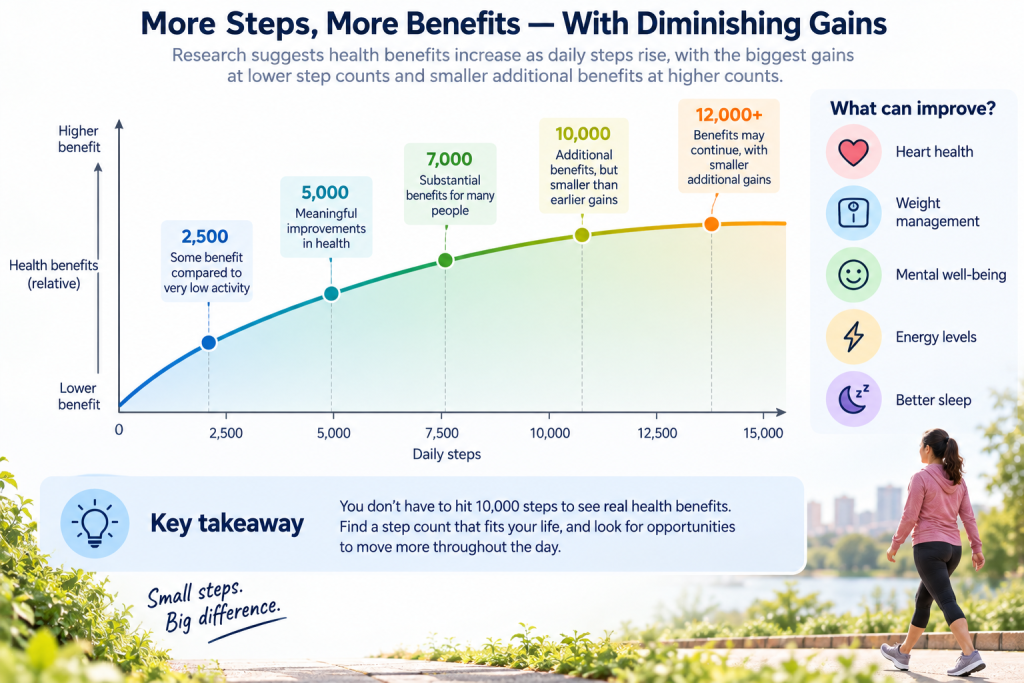
Various studies have examined the relationship between daily step counts and health outcomes. Research published in journals like The Journal of Physical Activity and Health suggests that even modest increases in daily steps can lead to significant health benefits. For instance, a study indicated that participants who walked 7,500 steps a day had lower risks of mortality compared to those with lower step counts. Such findings challenge the rigid adherence to the 10,000-step rule and suggest a more flexible approach might be beneficial.
Furthermore, meta-analyses have shown that increasing daily steps is associated with improved cardiovascular health, reduced body mass index (BMI), and enhanced overall physical fitness. The correlation between step counts and reduced rates of chronic diseases emphasizes the importance of incorporating walking into daily routines, regardless of the specific number of steps achieved.
Health Benefits of Increased Step Counts
Walking, as a form of moderate-intensity aerobic exercise, offers numerous health benefits. Regular walking is linked to improved cardiovascular health, as it helps lower blood pressure, improves circulation, and strengthens the heart. Studies have also found that walking can help regulate blood sugar levels, which is crucial for preventing type 2 diabetes.
Additionally, physical activity like walking has profound effects on mental health. Research indicates that regular walking can reduce symptoms of anxiety and depression, improve mood, and enhance cognitive function. The endorphin release associated with physical activity contributes to a sense of well-being, proving that even simple acts like walking can have significant psychological benefits.
Where the 10,000 Steps Idea Came From
History of the 10,000 Steps Concept
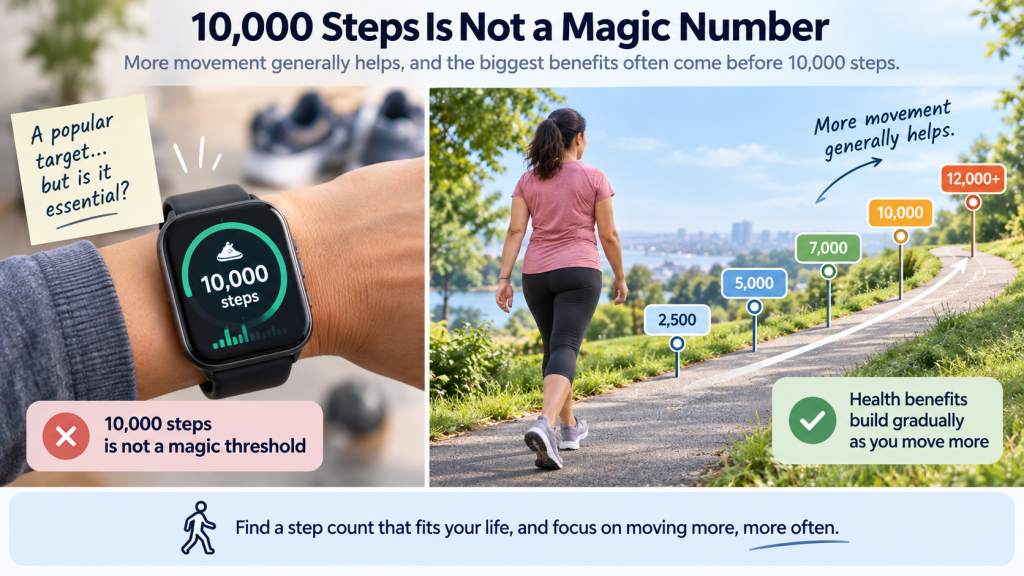
The idea of walking 10,000 steps daily can be traced back to Japan in the 1960s. A pedometer called manpo-kei, which translates to 10,000 steps meter, was marketed to encourage people to walk more. The term quickly gained traction, partly due to its catchy nature. The number itself was chosen somewhat arbitrarily but resonated with the public, leading to widespread adoption as a daily activity target.
Over the years, this concept has been promoted by health organizations and fitness enthusiasts alike, often without a solid scientific foundation. Despite being initially adopted for marketing purposes, the idea of 10,000 steps has become a fitness standard that many strive to meet.
Influence of Marketing and Culture
The marketing of the 10,000 steps concept has shaped public perception of fitness goals. Companies producing fitness trackers and mobile applications have adopted this number, further embedding it into the health and wellness culture. This widespread marketing has sometimes overshadowed the more nuanced understanding of individual fitness levels and health needs.
Moreover, cultural attitudes towards fitness and physical activity play a significant role in how people perceive walking. In cultures where sedentary lifestyles are prevalent, the 10,000 steps goal can seem daunting. However, in societies more accustomed to physical activity, this target may appear more attainable, highlighting the subjective nature of fitness standards.
How Many Steps for General Health
Recommended Daily Step Counts
Health experts recommend that adults engage in at least 150 minutes of moderate aerobic activity per week, which can be achieved through various forms of exercise, including walking. While the 10,000 steps target serves as a general guideline, current research indicates that even 7,000 to 8,000 steps per day can provide substantial health benefits. This flexibility allows individuals to set more realistic goals based on their personal fitness levels and lifestyle.
Additionally, older adults or those with mobility challenges may find lower step counts beneficial for maintaining health without overexertion. It’s essential to recognize that the goal of increasing physical activity should be personalized, taking into account unique health status and capabilities.
Impact on Cardiovascular Health
Walking has been shown to greatly benefit cardiovascular health. Several studies indicate that individuals who walk at least 7,000 steps daily have a significantly reduced risk of heart disease. Walking regularly helps lower cholesterol levels, manage blood pressure, and improve overall heart function. These benefits are crucial as cardiovascular diseases remain one of the leading causes of death worldwide.
Moreover, walking promotes better blood circulation and can aid in the prevention of conditions such as atherosclerosis. By maintaining a consistent walking routine, individuals can support their heart health in the long term and reduce the risk of developing serious cardiovascular conditions.
Connection to Mental Well-being
The mental health benefits of walking are equally compelling. Regular physical activity, such as walking, is associated with reduced symptoms of anxiety and depression. Engaging in a moderate amount of exercise stimulates the release of endorphins and serotonin, the feel-good hormones that can enhance mood and alleviate stress.
Additionally, walking in natural environments has been shown to elevate mental well-being even further. Studies suggest that spending time outdoors while walking can improve cognitive function and decrease feelings of fatigue, promoting a sense of rejuvenation and clarity. This connection between physical activity and mental health emphasizes the holistic benefits of incorporating walking into daily routines.
Steps and Weight Management
Role of Walking in Weight Loss
Walking is a low-impact exercise that can play a significant role in weight management and fat loss. Engaging in regular walking routines can help individuals burn calories, thereby contributing to a caloric deficit essential for weight loss. Studies indicate that individuals who incorporate walking into their daily activities often have a lower body fat percentage compared to those who lead a more sedentary lifestyle.
Moreover, walking can support metabolic health. Increased daily step counts can improve insulin sensitivity and help regulate body weight. This makes walking an accessible and effective option for those looking to lose weight or maintain a healthy weight.
Steps Versus Other Forms of Exercise
While walking is beneficial, it’s essential to recognize its place within a broader fitness regimen. Compared to high-intensity workouts or strength training, walking may not provide the same level of muscle conditioning or cardiovascular challenge. However, it is a sustainable form of exercise that can be easily integrated into daily life. The simplicity of walking allows individuals of varying fitness levels to engage without the need for specialized equipment or facilities.
Additionally, walking can serve as a gateway to more intense forms of exercise. Individuals who start by increasing their step count may feel encouraged to explore other activities, fostering a lifelong commitment to physical fitness. The key is to find a balance that works for individual health and fitness goals while ensuring activities are enjoyable.
Step Targets for Older Adults and Beginners
Recommended Step Counts for Older Adults
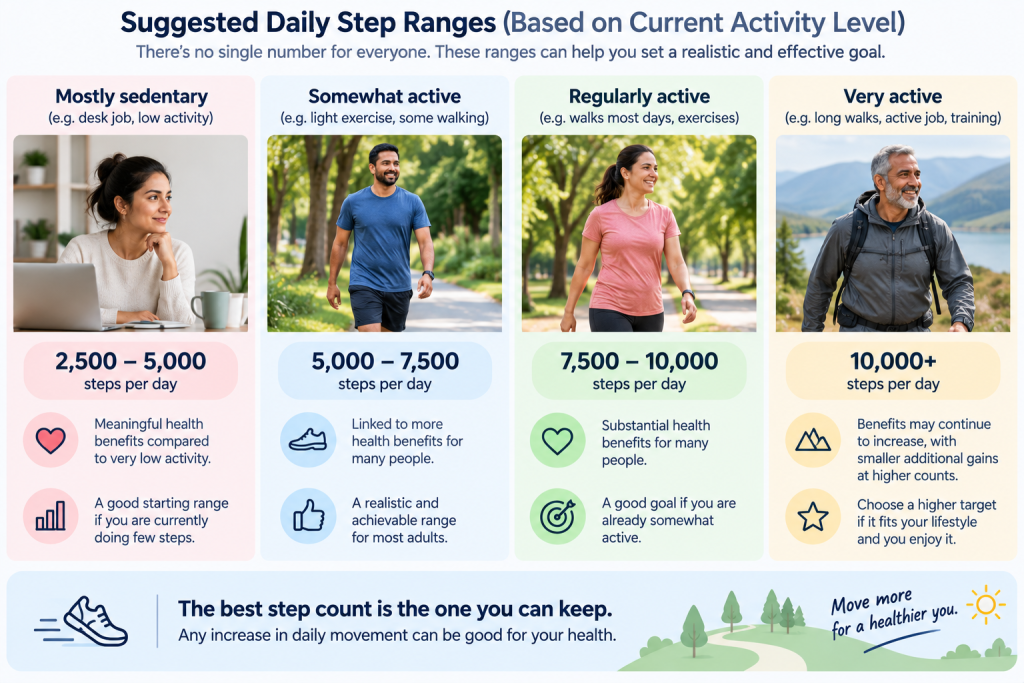
Older adults may need to adapt their step goals based on their physical capabilities and health status. While the 10,000-step target may be challenging, research suggests that as few as 5,000 to 7,000 steps can still provide substantial health benefits for this demographic. Walking regularly can help maintain mobility, improve balance, and enhance overall quality of life.
Moreover, engaging in walking groups or social walking activities can further motivate older adults to stay active. The social aspect of walking can enhance the experience, making it more enjoyable and sustainable over the long term.
Adjusting Targets for Beginners
For those new to physical activity, setting realistic step goals is crucial for long-term adherence. Beginners are encouraged to start with manageable targets, such as 3,000 to 5,000 steps, gradually increasing their goal as they build endurance and confidence. This gradual increase helps prevent injury and burnout, allowing individuals to establish a consistent walking routine.
Setting smaller, achievable milestones can also foster a sense of accomplishment. Tracking progress and celebrating small victories can significantly enhance motivation and commitment to walking regularly.
How to Measure and Track Your Steps
Popular Tools and Apps
In today’s digital age, numerous tools and applications allow individuals to track their daily steps and physical activity. Fitness trackers, smartwatches, and mobile apps provide users with comprehensive data about their daily movements, making it easier to set and achieve walking goals. Popular applications like Fitbit, Apple Health, and Google Fit offer user-friendly interfaces that help individuals monitor their progress over time.
These tools often include features that allow users to set specific goals, view their walking patterns, and receive reminders to stay active throughout the day. Integrating technology into fitness routines can enhance accountability and motivation, encouraging users to prioritize their physical activity.
Setting Up a Step Tracking System
To effectively track daily steps, individuals can create a simple system that includes selecting a preferred tracking device, setting clear goals, and establishing a routine for checking progress. Consistency is key—regularly reviewing step counts can provide insight into patterns and motivate individuals to increase their activity levels when necessary.
Additionally, involving friends or family in step challenges can create a supportive environment and foster a sense of community. Sharing progress and challenges with others can enrich the walking experience and encourage continued participation.
How to Gradually Increase Your Daily Steps
Strategies for Incremental Increases
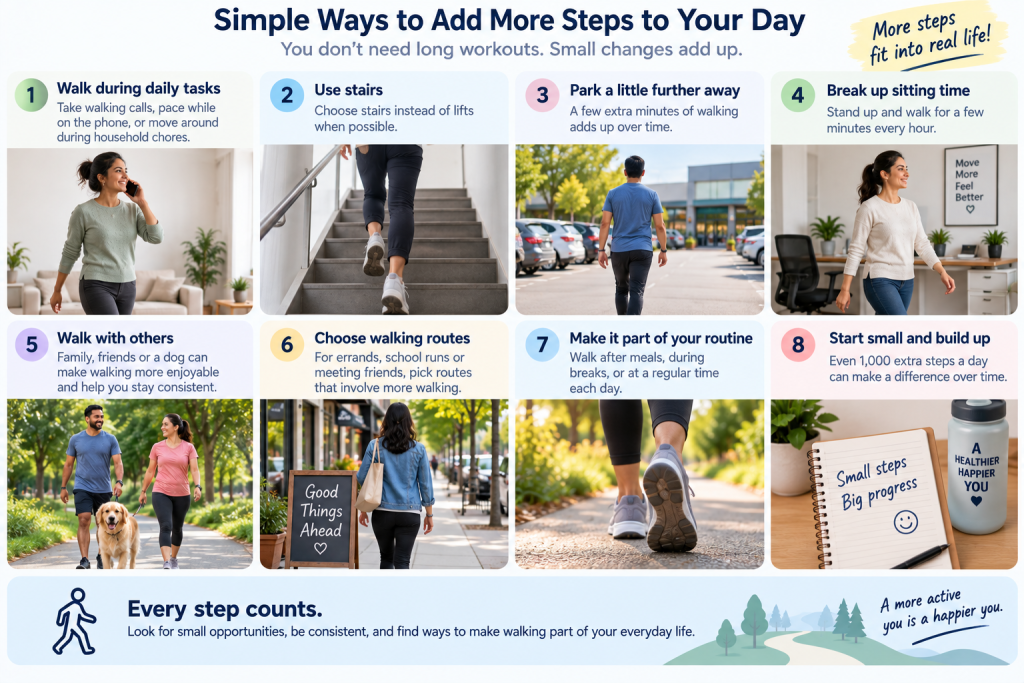
To increase daily step counts effectively, individuals can employ several strategies. One practical approach is to incorporate walking into daily routines, such as taking the stairs instead of the elevator or parking farther away from store entrances. Simple changes like these can contribute to a gradual increase in step counts without feeling overwhelming.
Additionally, setting specific walking times each day, whether during lunch breaks or after dinner, can help establish a consistent routine. By making walking a regular part of the day, individuals can incrementally boost their step counts over time.
Importance of Consistency
While increasing step counts is essential, maintaining consistency is equally crucial. Establishing a daily walking routine helps reinforce the habit, making physical activity a regular part of life. Consistency fosters long-term health benefits, as regular walking can enhance cardiovascular health, improve mood, and support weight management.
To remain committed, individuals should regularly assess their goals and adjust them as necessary, ensuring they remain challenging yet achievable. Flexibility in goal-setting helps individuals adapt to lifestyle changes and maintain motivation over time.
Setting Realistic Step Goals for Beginners
Starting with Achievable Targets
For those new to walking, starting with achievable targets is fundamental. It’s advisable to begin with a baseline assessment of current activity levels to set realistic goals. Beginners might aim for 3,000 to 5,000 steps per day, gradually increasing their targets as they become more comfortable with their walking routines.
Listening to one’s body is essential in this process. If experiencing fatigue or discomfort, it is important to adjust goals accordingly, focusing on gradual improvements rather than immediate drastic changes.
Tips for Staying Motivated
Staying motivated as a beginner can be challenging but is crucial for developing lasting habits. One effective strategy is to find a walking buddy—someone to walk with can provide companionship and accountability. Additionally, setting specific, short-term goals and creating a rewards system for achieving them can enhance motivation.
Incorporating variety into walking routines, such as exploring different walking routes or joining walking groups, can also keep the experience fresh and engaging. Regularly changing the environment can make walking more enjoyable and encourage continued participation.
Conclusion
The journey to achieving daily step goals begins with understanding personal health needs and setting realistic targets. While the 10,000 steps benchmark has gained popularity, current research suggests that even incremental increases in daily steps can lead to significant health benefits. Walking promotes cardiovascular health, enhances mental well-being, and supports weight management—essential components of a healthy lifestyle.
Whether you are just starting your fitness journey or looking to increase your current activity levels, embracing walking as a daily practice can lead to lasting positive changes. By employing strategies to track and gradually increase your step counts, you can foster a sustainable habit that contributes to overall health and wellness.
FAQs
1. Is walking 10,000 steps a day necessary for everyone?
No, while 10,000 steps is a popular target, research indicates that achieving as few as 7,000 steps can provide substantial health benefits. Individual goals should be tailored to personal fitness levels and health status.
2. What are some effective ways to increase my daily step count?
Incorporating walking into daily routines, such as taking the stairs, parking farther from entrances, and walking during breaks, can effectively increase daily steps. Setting specific walking times can also help establish a consistent routine.
3. How can I stay motivated to walk regularly?
Finding a walking partner, setting achievable goals, and varying walking routes can enhance motivation. Celebrating small milestones and tracking progress can also foster a sense of accomplishment.
4. What are the mental health benefits of walking?
Walking regularly has been shown to reduce symptoms of anxiety and depression, improve mood, and enhance cognitive function, contributing to overall mental well-being.
5. Can walking help with weight loss?
Yes, walking can be an effective form of exercise for weight management. Regular walking helps burn calories and can support a caloric deficit, leading to weight loss when combined with a balanced diet.