Walking for Weight Management: A Realistic Beginner’s Guide
Introduction
Walking is one of the simplest and most accessible forms of exercise, making it an ideal choice for individuals seeking to manage their weight. This comprehensive guide focuses on how walking can effectively support weight management, providing insights, strategies, and tips specifically tailored for beginners. Whether you are just starting your fitness journey or looking to enhance your existing routine, this article will equip you with the knowledge necessary to incorporate walking into your lifestyle sustainably and enjoyably.
How Walking Supports Weight Management
Benefits of Walking for Weight Loss
Walking is an effective way to burn calories and improve overall health. Regular walks contribute to weight loss by creating a caloric deficit, which occurs when you burn more calories than you consume. Even moderate walking can lead to significant fat loss over time, making it a helpful tool for beginners. Additionally, the low-impact nature of walking makes it suitable for nearly everyone, regardless of fitness level.
Moreover, walking can be easily integrated into your daily routine. Whether you opt for a stroll during your lunch break or a leisurely walk around your neighborhood in the evening, the opportunities to walk are abundant. This flexibility often leads to higher adherence rates compared to more structured exercise programs, allowing for a more consistent approach to weight management.
Impact on Metabolism
Regular walking doesn’t just help burn calories; it also positively affects your metabolism. Engaging in consistent physical activity like walking helps to build lean muscle mass, which can elevate your resting metabolic rate (RMR). An increased RMR means that your body burns more calories at rest, further aiding weight management efforts.
Additionally, walking promotes better insulin sensitivity, which is crucial for regulating blood sugar levels. This can help prevent energy crashes and cravings, making it easier to maintain a balanced diet while pursuing your weight loss goals.
Psychological Benefits of Walking
While the physical benefits of walking are often highlighted, the psychological advantages are equally important. Walking can improve mood and reduce stress, thanks to the endorphins released during physical activity. This is particularly beneficial for individuals who may eat emotionally or during stressful times, as walking can serve as a healthy coping mechanism.
Furthermore, walking outdoors is linked to improved mental well-being. Nature has a calming effect, and spending time outside can enhance your mood, making you more likely to stick with your walking routine. This psychological boost can be a game-changer in maintaining a healthy lifestyle.
Calories Burned While Walking
Factors Influencing Caloric Burn
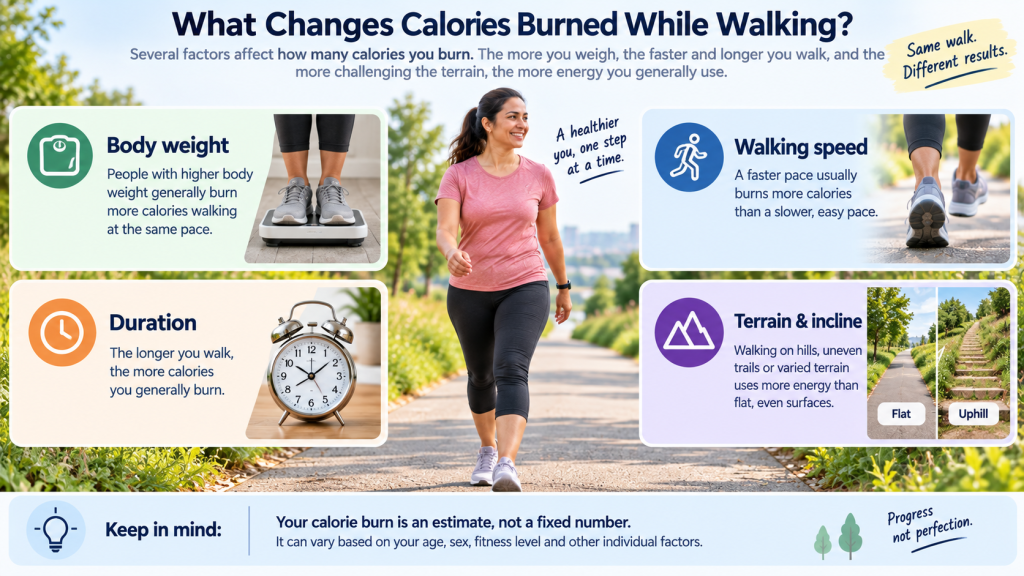
The number of calories burned while walking depends on various factors including weight, speed, duration, and terrain. Generally, heavier individuals burn more calories because they require more energy to move their body. Also, walking on an incline or uneven terrain can significantly increase calorie expenditure compared to walking on level ground.
Understanding these variables allows you to customize your walking routine to maximize caloric burn and effectiveness. For example, if your goal is to lose weight more rapidly, consider incorporating hilly routes or increasing your pace periodically.
Calculating Calories Burned
Calculating the calories burned during walking can be done using various methods, including online calculators or fitness apps. A common formula is: calories burned = MET (Metabolic Equivalent of Task) × weight in kg × time in hours. Walking typically has a MET value ranging from 3.3 (slow pace) to 6.0 (brisk pace), allowing you to estimate your caloric expenditure accurately.
Keeping track of calories burned can motivate you to maintain your routine and adjust your walking as needed, ensuring you stay on track with your weight management goals.
Walking vs Other Forms of Exercise
While walking is an excellent low-impact exercise, it’s essential to understand how it compares to other forms of physical activity. High-intensity workouts or resistance training may burn more calories in a shorter time, but they often require more effort and can be intimidating for beginners. In contrast, walking can be a more approachable option that promotes movement without additional stress on joints.
Ultimately, the best exercise is the one you enjoy and can sustain long-term. Walking’s versatility allows it to be easily combined with other activities, creating a balanced fitness regimen that supports weight management.
Walking Intensity and Pace
Understanding Walking Intensity
Walking intensity is crucial for maximizing the benefits of your routine. Low-intensity walking, like leisurely strolls, can be effective for maintaining health, while moderate to vigorous intensity walking can enhance calorie burn and cardiovascular fitness. Understanding how to gauge intensity can help you tailor your walking workouts to meet your specific goals.
One way to measure intensity is through the Talk Test: during moderate-intensity walking, you should be able to talk but not sing, while vigorous-intensity walking will make it difficult to hold a conversation. Adjusting your pace to fit into these categories can help you optimize your walking sessions.
Finding Your Ideal Pace
Determining your ideal walking pace is also essential for effective weight management. A brisk walk typically falls between 3 to 4 miles per hour, which is often associated with moderate-intensity exercise. However, it’s important to find a speed that feels comfortable yet challenging for you. Start with a pace that allows you to maintain a conversation and gradually increase your speed as your fitness improves.
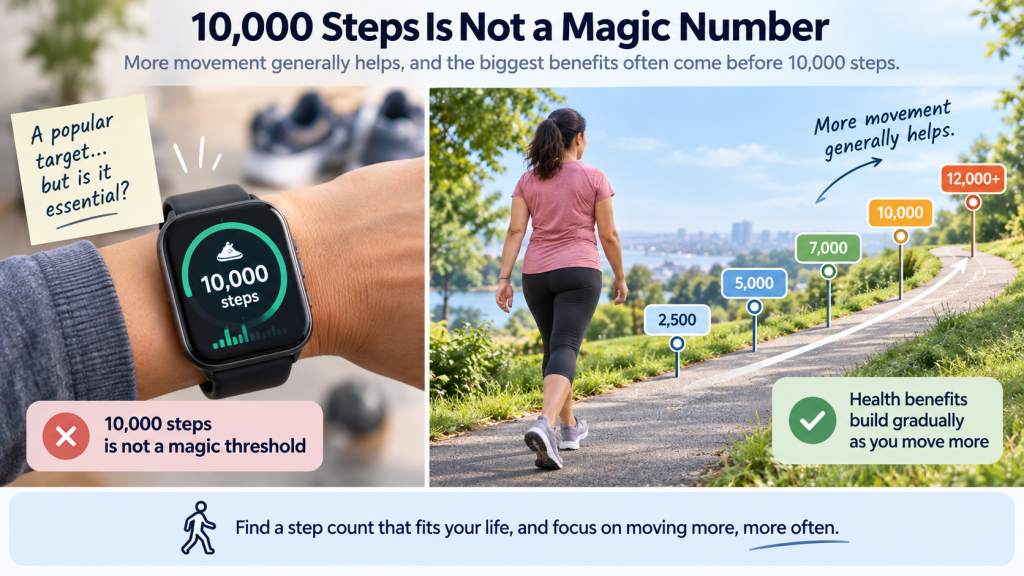
Utilizing a fitness tracker or smartwatch can assist in measuring your pace and distance. Tracking your progress can provide motivation and a clearer understanding of your walking habits, helping to keep your walking routine engaging.
Utilizing Heart Rate Monitors
A heart rate monitor can be a valuable tool for optimizing your walking sessions. By tracking your heart rate, you can ensure you’re working within your target heart rate zone, which is typically 50-85% of your maximum heart rate. This approach ensures that you are walking at the right intensity to achieve your fitness and weight loss goals.
Many fitness trackers and smartwatches come equipped with heart rate monitoring features, making it easy to integrate this technology into your walking routine. Keeping an eye on your heart rate can help you adjust your pace in real-time, allowing you to maximize the effectiveness of your workout.
Combining Walking with Healthy Eating
Importance of Nutrition in Weight Management
While walking plays a significant role in weight management, nutrition is equally important. Eating a balanced diet rich in whole foods—fruits, vegetables, whole grains, lean proteins, and healthy fats—provides the necessary fuel for your body and supports optimal metabolism. Understanding the relationship between diet and exercise is critical for achieving and maintaining weight loss.
It’s essential to focus on nutrient-dense foods rather than simply cutting calories. This strategy will help you feel satiated and energized during your walking sessions, making it easier to stick to your routine and avoid energy crashes that could derail your progress.
Meal Planning Tips for Walkers
Meal planning can simplify healthy eating and ensure you’re fueling your body appropriately for your walking sessions. Consider pre-preparing meals or snacks that are rich in protein and fiber, which will help keep you full and satisfied. For instance, a combination of oats with fruit provides enduring energy for early walks, while a balanced meal with lean protein and vegetables supports recovery after your workout.
Incorporating healthy snacks, such as nuts or yogurt, can help you maintain energy levels throughout the day and prevent overeating during meals. Learning to listen to your body and responding to hunger cues is critical for long-term success in weight management.
Hydration and Its Role
Staying hydrated is an often-overlooked aspect of weight management. Proper hydration supports overall health, aids digestion, and can even help control appetite. The body can sometimes confuse thirst for hunger, leading to unnecessary snacking. Drinking water before, during, and after your walks can keep you hydrated and help you maintain focus on your fitness goals.
Consider carrying a water bottle with you on your walks, and aim to drink at least eight 8-ounce glasses of water each day, adjusting based on your activity level and climate. Staying well-hydrated will enhance your walking performance and overall well-being.
Realistic Expectations and Timelines
Setting Achievable Goals
When starting a walking program for weight management, it’s important to set realistic and achievable goals. Rather than aiming for significant weight loss in a short period, focus on smaller, incremental changes. Begin with a goal of walking for 20-30 minutes most days of the week and gradually increase your time and intensity as you build endurance.
Setting specific, measurable, achievable, relevant, and time-bound (SMART) goals can help keep you motivated and focused. This structured approach facilitates a sense of accomplishment, which encourages continued commitment to your walking routine.
Understanding Weight Loss Pace
Understanding the typical weight loss pace can also help manage expectations. A safe and sustainable rate of weight loss is generally considered to be about 1-2 pounds per week. This pace allows for gradual adjustments to lifestyle and eating habits, making it easier to maintain weight loss over the long term.
Remember that weight fluctuations are normal, so it’s essential to focus on overall trends rather than daily changes. Regularly assessing your progress through methods such as weekly weigh-ins or measuring body composition can provide a clearer picture of your journey.
Tracking Progress Effectively
Tracking your progress is vital for staying motivated and making necessary adjustments to your routine. Consider keeping a walking journal or using a fitness app to log your distance, duration, and any changes in your weight or measurements. This data will not only help you see how far you’ve come but also allow you to identify patterns that could inform your future walking plans.
Additionally, sharing your progress with friends, family, or online communities can provide additional encouragement and accountability. This social support can be critical in maintaining your motivation and enhancing your walking experience.
Building a Sustainable Walking Plan
Creating a Walking Schedule
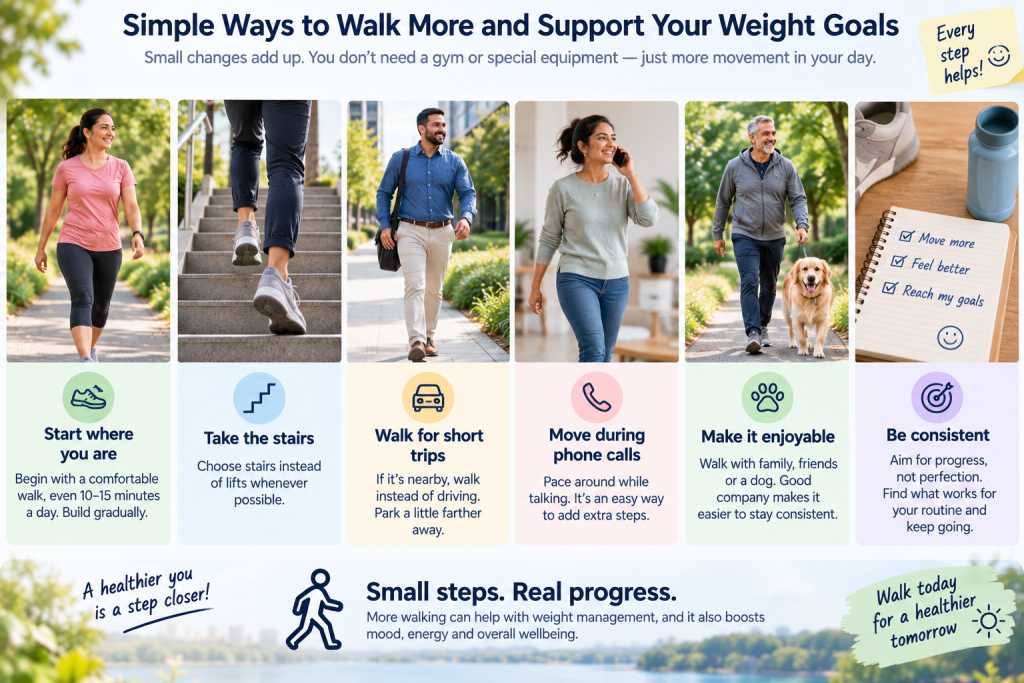
Establishing a regular walking schedule is crucial for creating a sustainable fitness routine. Consider time slots that work best for your daily life and commit to them. Whether it’s early mornings, lunchtime, or evenings, consistency will help you develop a habit that lasts.
Using a calendar or setting reminders on your phone can help reinforce your walking schedule, making it easier to prioritize exercise as part of your daily routine. Over time, walking will become a seamless and enjoyable aspect of your lifestyle.
Incorporating Different Routes
To keep your walking routine fresh and engaging, consider varying your routes. Walking the same path can become monotonous, leading to a decrease in motivation. Exploring new neighborhoods, parks, or nature trails can add excitement to your walks and encourage you to spend more time outdoors.
Additionally, varying your routes can help you challenge your body in different ways, such as incorporating hills or different terrains, which can enhance calorie burn and improve overall fitness.
Setting Up Support Systems
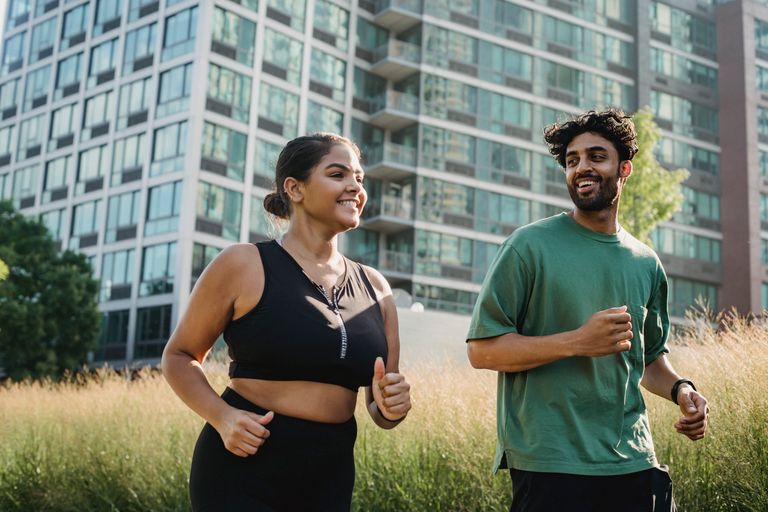
Creating a support system can elevate your walking experience and overall motivation. Consider joining a walking group or finding a workout buddy who shares similar fitness goals. Walking with others can not only enhance accountability but also make the experience more enjoyable.
If walking alone is more your style, use technology to your advantage. Online fitness communities provide a platform for sharing progress and receiving encouragement from fellow walkers, making it easier to stay committed to your goals.
Staying Consistent and Motivated
Finding a Walking Buddy
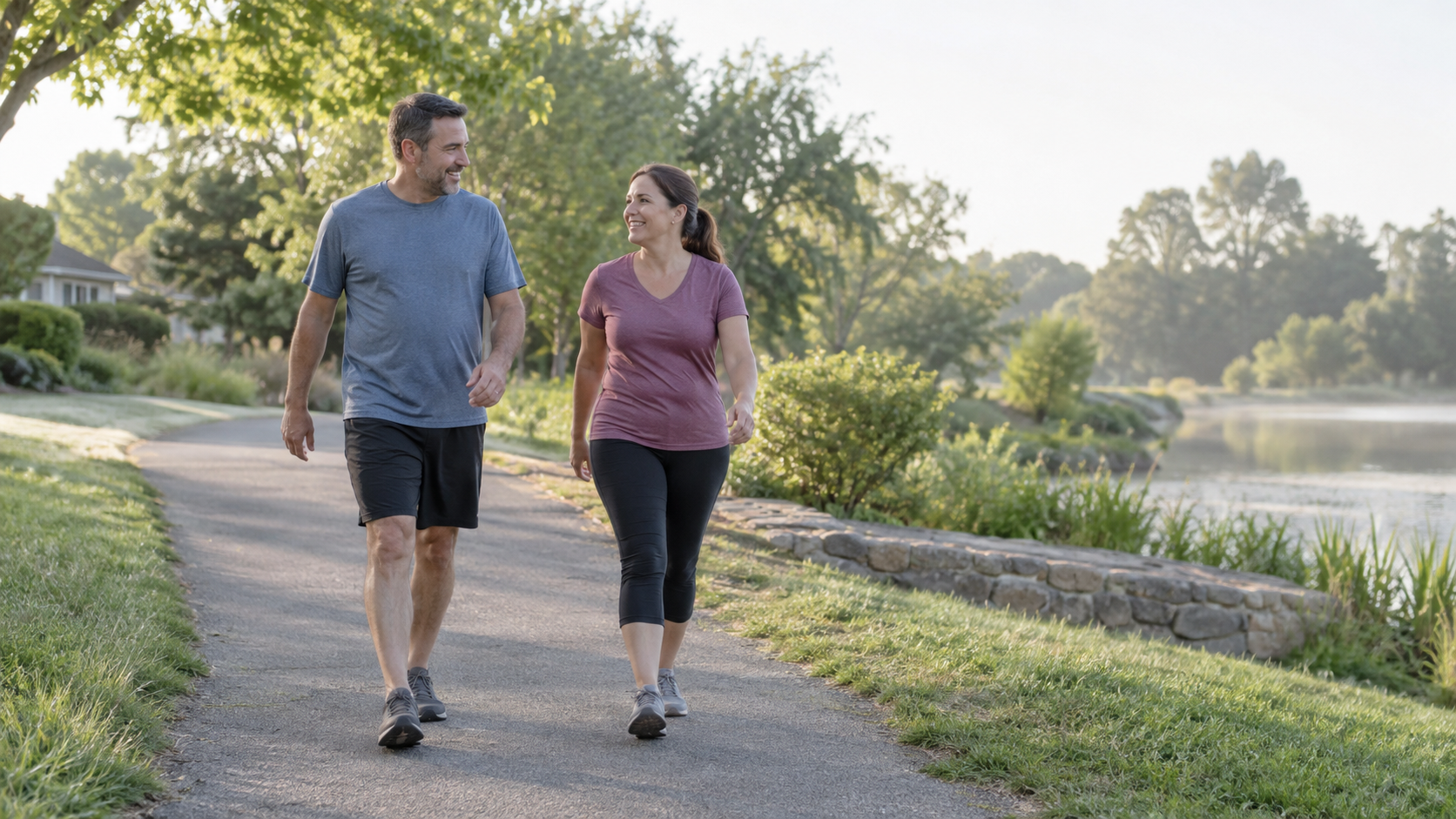
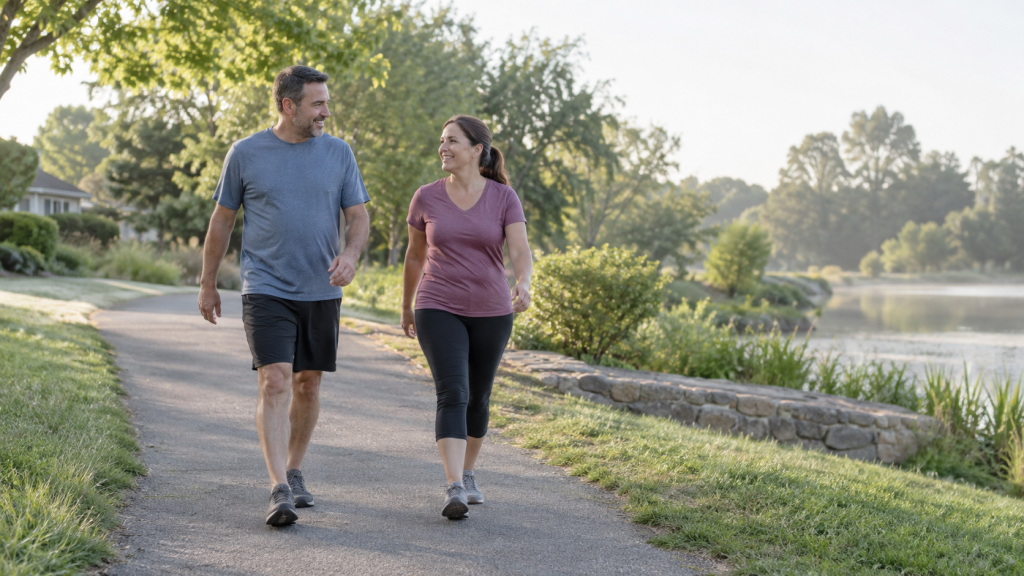
Having a walking buddy can significantly boost your motivation and consistency. A friend or family member who shares your weight management goals can provide support and encouragement, making your walks more enjoyable. Additionally, having someone to share your experience with can make you less likely to skip your walking sessions.
Walking with someone can also introduce a social aspect to your fitness routine. Engaging in conversations during walks can help pass the time, making the activity feel less like a chore and more like a fun activity.
Using Technology to Stay Engaged
Consider using technology to enhance your walking experience. Fitness apps can track your distance, calories burned, and walking pace, providing valuable insights into your progress. You can also listen to podcasts or audiobooks while walking, creating an enjoyable distraction and making the time fly by.
By integrating technology into your routine, you can transform a simple walk into a productive and engaging activity that keeps your mind stimulated while your body gets the exercise it needs.
Celebrating Small Wins
Recognizing and celebrating small wins is essential for maintaining motivation during your weight management journey. Whether it’s completing a specific number of walks in a week, achieving a distance milestone, or simply feeling healthier, acknowledging these achievements can boost your confidence and keep you focused on your goals.
Consider treating yourself to non-food rewards, such as new walking shoes or a relaxing day at the spa, to reinforce your progress. This positive reinforcement can help you stay engaged and motivated to continue your walking routine.
When to Add Variety or Intensity
Recognizing the Signs of Stagnation
As you become more accustomed to your walking routine, it’s essential to recognize when it may be time to add variety or intensity. If you find that your progress has plateaued or you’re not feeling challenged, this could be a sign that your body has adapted to your current routine.
Listening to your body is crucial; if you feel bored or unmotivated, it may also be time to shake things up. Introducing new elements into your walking sessions can reignite your enthusiasm and lead to better results.
Incorporating Interval Training
One effective way to increase the intensity of your walks is by incorporating interval training. This involves alternating between periods of brisk walking and slower-paced recovery. For example, walk briskly for one minute, then slow down for two minutes, and repeat this pattern throughout your session. This method can enhance cardiovascular fitness and lead to greater caloric burn in a shorter amount of time.
Interval training can also be fun and engaging, as it breaks up the monotony of steady-paced walking and introduces a challenge that can keep you motivated.
Exploring New Walking Locations
Exploring new walking locations can also renew interest in your routine. Instead of sticking to familiar routes, look for nearby parks, trails, or scenic areas that you haven’t yet visited. Walking in visually stimulating environments can enhance the overall experience and encourage you to spend more time walking.
Additionally, consider joining local walking events or charity walks to meet new people and further enrich your walking experience. Engaging with your community can provide new motivation and create opportunities for social interaction.
Conclusion
Walking offers a simple yet powerful approach to weight management, making it an ideal choice for beginners. By understanding the benefits of walking, incorporating it into a balanced routine of healthy eating, and setting realistic goals, you can achieve sustainable weight loss and improved health. Remember that the journey to weight management is unique for everyone, so be patient and celebrate your progress along the way.
By following the strategies outlined in this guide, you can create a walking plan that is enjoyable, effective, and sustainable. Embrace the process, stay committed, and enjoy the journey to a healthier you.
FAQs
How many calories can I burn by walking?
The number of calories burned while walking varies based on weight, pace, and duration. On average, a person burns about 80-100 calories per mile walked. Walking for 30 minutes at a moderate pace can burn around 150-200 calories for most individuals.
How often should I walk to lose weight?
For effective weight loss, aim to walk at least 150 minutes per week, which breaks down to about 30 minutes most days. Gradually increase your duration and intensity as you become more comfortable with your routine.
Can I lose weight by just walking?
Yes, walking can lead to weight loss, especially when combined with a healthy diet. While it may not burn the same number of calories as high-intensity workouts, its accessibility and sustainability make it an excellent option for many individuals.
What should I wear when walking?
Wear comfortable, moisture-wicking clothing and supportive footwear designed for walking or running. Proper shoes are crucial for preventing injuries and providing adequate support, particularly during longer walks.
Is it better to walk in the morning or evening?
The best time to walk is the time that fits your schedule and lifestyle. Walking in the morning can boost your energy for the day, while evening walks can help relieve stress after a long day. Choose the time that you enjoy the most and can commit to consistently.