Beginner Stretching and Mobility: A Complete Daily Home Routine
Introduction
In today’s fast-paced world, maintaining physical well-being is essential for leading a healthy lifestyle. One of the most fundamental yet often overlooked aspects of fitness is stretching and mobility. This article presents a comprehensive beginner stretching and mobility routine that can be performed daily at home. Whether your goal is to enhance flexibility, improve athletic performance, or simply alleviate muscle tension from daily activities, this guide is designed to provide you with the knowledge and techniques necessary to achieve these objectives.
Why Stretching and Mobility Matter
Benefits of Stretching
Stretching is crucial for maintaining a good range of motion in the joints, which can help prevent injuries and improve overall physical performance. Regular stretching can also reduce muscle soreness after workouts, promote relaxation, and enhance blood circulation. Additionally, stretching helps improve posture by elongating tight muscles that can cause misalignment in the body.
Moreover, stretching can increase flexibility, which is vital not just for athletes but for everyone. Improved flexibility allows for better movement and can easily transition into other physical activities, making everyday tasks easier and more enjoyable. As flexibility increases, individuals may notice enhanced performance in activities ranging from sports to simple household chores.
Impact on Overall Health
Incorporating stretching into your routine has benefits beyond physical performance. It plays a significant role in mental health by reducing stress and anxiety levels. When the body is less tense, the mind often follows suit, leading to improved mood and mental clarity. Stretching can also promote better sleep quality, as physical relaxation can lead to a more restful night’s sleep.
Furthermore, regular mobility work aids in preventing degeneration of joints, which is especially important as one ages. Maintaining good joint health through stretching can help prevent conditions such as arthritis, making it a crucial component of any long-term health strategy.
Enhancing Performance and Recovery
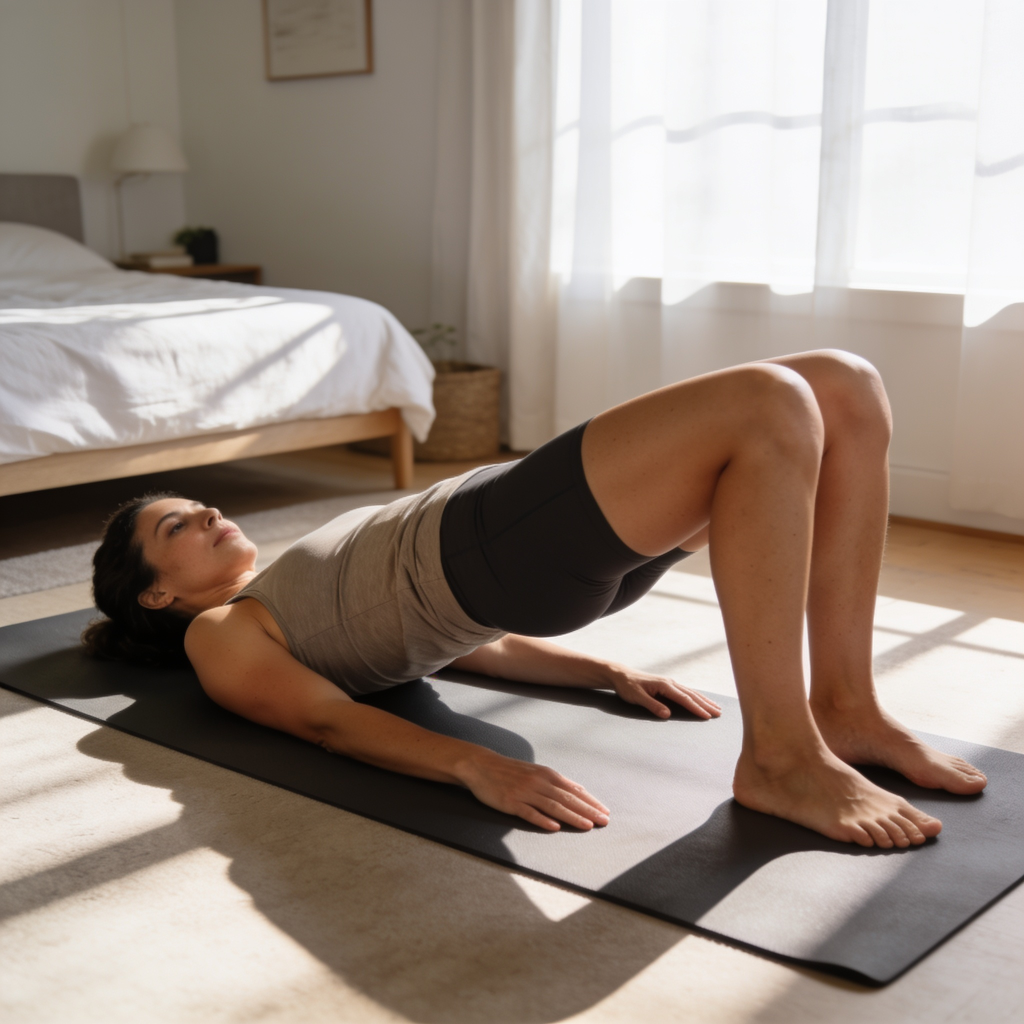
For athletes and fitness enthusiasts, the role of stretching and mobility in performance enhancement cannot be overstated. Dynamic stretching before a workout can prepare the muscles for physical activity, increasing blood flow and reducing the risk of injury. Post-workout static stretching can aid in recovery by alleviating tension and promoting muscle repair.
An effective stretching routine can also enhance proprioception, which is the body’s ability to perceive its position in space. This awareness can lead to improved coordination and balance, essential attributes for athletes and non-athletes alike.
Static vs Dynamic Stretching
Definitions and Differences
Stretching can be categorized into two main types: static and dynamic. Static stretching involves holding a stretch for a specified period, typically between 15 to 60 seconds. This type of stretching is effective for lengthening muscles and improving flexibility but is best suited for post-exercise routines when muscles are warm.
On the other hand, dynamic stretching incorporates movement and is often performed as part of a warm-up routine. It includes exercises that mimic the movements of the activity to follow, preparing the muscles and joints for action. Examples of dynamic stretches include leg swings, arm circles, and torso twists.
When to Use Each Type
Static stretching is ideal for after workouts or any time the goal is to relieve muscle tension and improve flexibility. In contrast, dynamic stretching is best used prior to physical activities as part of a warm-up routine. Combining both types in your fitness regime can lead to optimal results.
In practice, consider using dynamic stretching to prepare your body for exercise and incorporate static stretching into your cool-down routine to enhance flexibility and recovery.
Benefits of Both Approaches
Both static and dynamic stretching have unique benefits that complement each other. Dynamic stretching can help improve the range of motion in a safer way, reducing the risk of injury by gradually increasing muscle temperature and elasticity. Static stretching, while less effective in warming up the body, can be very beneficial in promoting relaxation and flexibility when muscles are already warmed up.
The key to effective stretching lies in knowing when to apply each type. For an all-around approach to flexibility and mobility, a combination of both static and dynamic stretches is recommended. Such a routine can lead to improved performance in both athletic and everyday activities.
A Simple Daily Beginner Routine
Overview of the Routine
This routine is designed for beginners and can be completed in about 15 to 30 minutes. It includes a warm-up, dynamic stretches, static stretches, and a cool-down phase. Each component plays a vital role in ensuring that the body is properly prepared for activity and is allowed to recover afterward.
To begin, ensure that you have a comfortable space to perform your stretches, ideally with a yoga mat or soft surface. This routine can be done at any time of the day, but many prefer morning or evening for better focus and relaxation.
Duration and Frequency
For best results, aim to perform this routine daily. Consistency is key when it comes to improving flexibility and mobility. Each session should last around 15 to 30 minutes, depending on how much time you have available. As you become more comfortable with the stretches, you can gradually increase the duration of each hold or the overall routine.
For those who are particularly tight in certain areas, consider additional sessions focusing specifically on those trouble spots. The more frequently you stretch, the more flexible and mobile you will become.
Key Stretches for Tight Areas
Neck and Shoulders
The neck and shoulders are common areas where tension builds, especially for individuals who spend long hours at a desk. Simple neck stretches, such as tilting the head to one side and holding for 15-30 seconds, can alleviate tightness. Additionally, shoulder rolls and arm across chest stretches are effective for loosening tight muscles.
Incorporate neck rotations and shoulder shrugs into your routine. These exercises can improve mobility in the neck and shoulders, promoting better posture and reducing discomfort associated with prolonged sitting.
Back and Spine
A flexible spine helps support overall mobility. To target the back, consider performing cat-cow stretches, where you alternate between arching your back and rounding it while on all fours. This movement increases flexibility along the spine and relieves tension in the lower back.
Another effective stretch is the seated forward bend, where you sit with legs extended and reach toward your toes. This stretch not only benefits the back but also stretches the hamstrings and helps improve overall flexibility.
Hips and Legs
The hips and legs are often tight due to sedentary lifestyles. Incorporate hip flexor stretches, such as the lunge stretch, where you step forward into a lunge position and lean into the stretch. Hold for 15-30 seconds on each side to release tight hip flexors.
Additionally, perform hamstring stretches by standing and reaching toward your toes, or seated where you extend one leg out and reach for it. These stretches will enhance mobility, making it easier to perform daily activities and sports-related movements.
Proper Technique and Breathing
Importance of Technique
Proper technique is critical when performing stretches to avoid injury and maximize benefits. Always ensure that you are not forcing a stretch beyond your comfort level, as this can lead to strain. Instead, focus on gradually easing into each position, allowing your body to adapt to the stretch.
Maintain good posture throughout your routine. For example, when stretching the back, keep a straight spine and avoid rounding your shoulders excessively. This technique will help target the appropriate muscles and prevent unnecessary strain on other areas of the body.
Breathing Techniques to Enhance Stretching
Breathing plays an essential role in the effectiveness of stretching. Inhale deeply through the nose, allowing the abdomen to expand, and exhale slowly through the mouth as you deepen the stretch. This controlled breathing technique helps relax the body and enhances the feeling of the stretch, allowing for better muscle release.
Incorporating rhythmic breathing into your stretching routine can also help maintain focus and calm the mind, making the experience more enjoyable and beneficial overall.
How Long to Hold Stretches
Recommended Duration
As a general guideline, static stretches should be held for 15 to 30 seconds. This duration allows the muscles to relax and elongate without causing strain. For beginners, starting with shorter holds and gradually increasing the time as flexibility improves is advisable.
Dynamic stretches, on the other hand, should be performed in a fluid motion without holding positions. Aim for about 5-10 repetitions of each dynamic stretch to sufficiently warm up the muscles before engaging in physical activity.
Factors Influencing Hold Time
Several factors can influence how long you hold a stretch. Individual flexibility levels, the specific muscle group being targeted, and personal comfort should all be considered. If a stretch feels particularly intense, it may be best to ease out of it sooner rather than risk injury.
Over time, as flexibility improves, you may find that you can hold stretches longer without discomfort. Listen to your body, and adjust your routine accordingly to maintain a safe and effective stretching practice.
When to Stretch
Best Times for Stretching
Stretching can be performed at various times throughout the day. The best times include before and after workouts, during breaks at work, or even as part of a relaxation routine before bed. Stretching before exercising helps prepare the muscles, while stretching afterward aids in recovery.
Incorporating stretching into your daily schedule can be beneficial for both physical and mental well-being. Consider setting aside time specifically for stretching to make it a consistent part of your routine.
Incorporating Stretching into Daily Life
Finding ways to integrate stretching into your daily routine can be simple. Set reminders on your phone, take short breaks to stretch throughout your workday, or perform stretches while watching TV. This approach can help make stretching feel less like a chore and more like a natural part of your day.
Additionally, consider joining a yoga class or following online stretching routines. Engaging with a community or guided sessions can provide motivation and structure to your stretching practice.
Safety Tips and Common Mistakes
Safety Precautions to Consider
Safety should always be a priority when stretching. It’s vital to listen to your body and avoid pushing into pain. If any stretch causes significant discomfort or pain, stop immediately and reassess your technique. Additionally, ensure that you are performing stretches on a stable surface to reduce the risk of slipping or falling.
Warm up the body before engaging in static stretching. A simple 5 to 10-minute light aerobic warm-up, such as walking or jogging in place, can prepare the muscles and joints for stretching, ultimately reducing the risk of injury.
Common Mistakes to Avoid
One common mistake is bouncing while stretching, which can lead to muscle strain. It’s essential to avoid jerky movements and focus on smooth, controlled stretches. Additionally, many people may hold their breath during stretches, which can create tension rather than relaxation. Incorporating proper breathing techniques is crucial to enhance the effectiveness of stretching.
Lastly, neglecting to warm up before stretching can lead to injury. Remember that engaging the muscles in some light activity prior to stretching is necessary to achieve optimal results safely.
Conclusion
Incorporating a daily stretching and mobility routine into your life offers numerous benefits that can improve flexibility, reduce muscle tension, and enhance overall physical and mental well-being. By understanding the importance of both static and dynamic stretching, employing proper techniques, and making stretching a consistent part of your daily routine, you can significantly enhance your quality of life.
Remember to listen to your body, maintain good form, and prioritize safety as you develop your stretching practice. With dedication and mindfulness, you can achieve greater mobility and flexibility while enjoying the numerous benefits that come with it.
FAQs
How often should I stretch?
It is recommended to stretch daily, especially if you are working on improving flexibility or alleviating tension. Consistency is key to seeing progress.
Can I stretch every day?
Yes, stretching daily is safe for most people, provided you listen to your body and avoid overstretching or causing pain.
What should I do if I feel pain while stretching?
If you feel pain during a stretch, stop immediately. It is essential to distinguish between discomfort and pain. Adjust your position or choose a gentler stretch if needed.
Is static stretching better than dynamic stretching?
Both static and dynamic stretching serve different purposes. Dynamic stretching is ideal for warming up before exercise, while static stretching is best for cooling down and improving flexibility.
What are the best stretches for beginners?
Beginner-friendly stretches include neck stretches, shoulder rolls, hamstring stretches, hip flexor stretches, and cat-cow stretches. These target common tight areas for most individuals.