How to Make Everyday Walks More Enjoyable
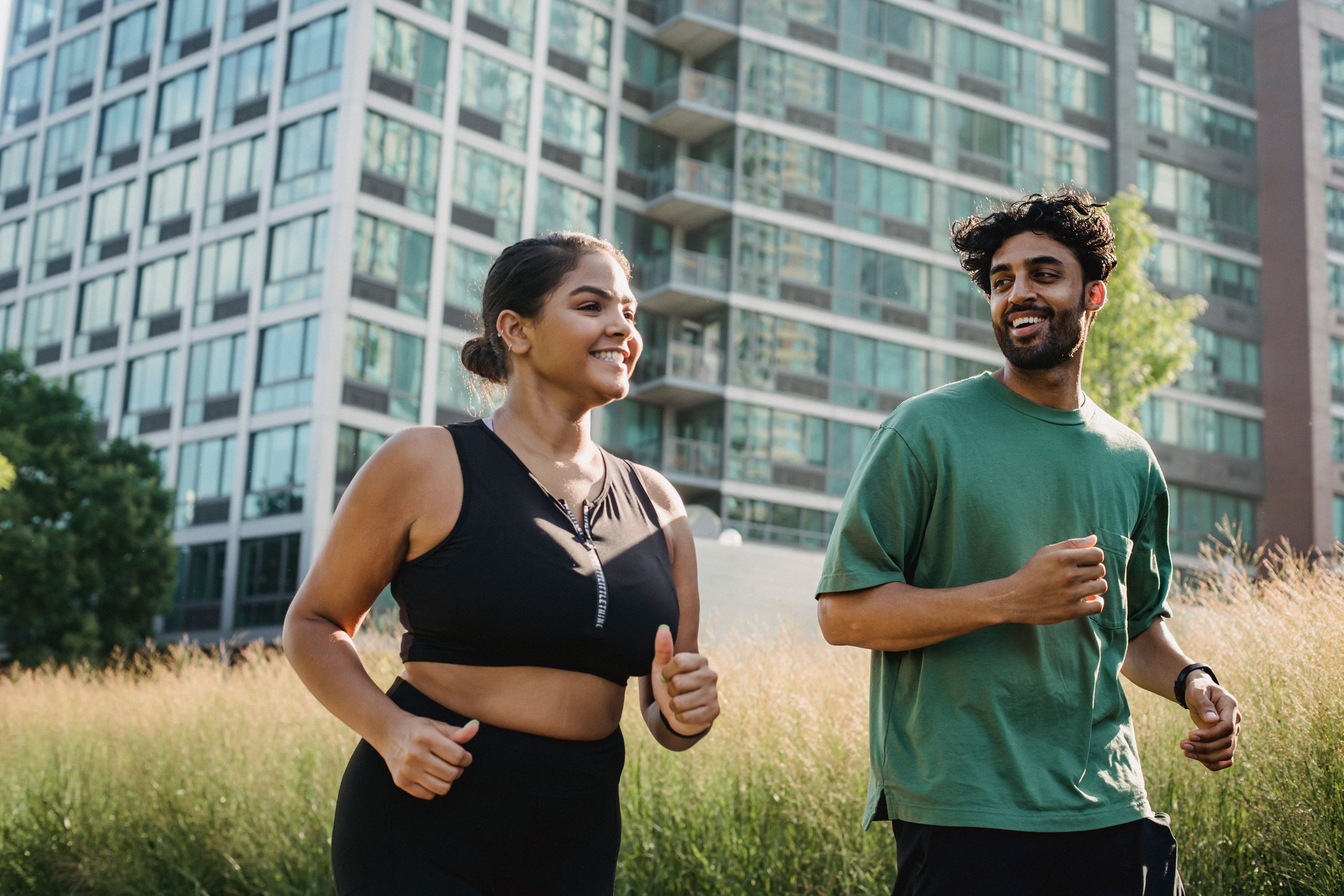
Plenty of people know walking is good for them and still find the daily walk a chore. The route is always the same, the weather is unreliable, and twenty minutes can feel like an hour when your mind is elsewhere. The problem is rarely walking itself. It is that the walk has become a task to get through rather than a part of the day to look forward to. This guide collects practical ways to change that, most of which cost nothing.
Why enjoyment matters more than willpower
Health guidance tends to focus on how much activity you should do, but the harder question for most adults is how to keep doing it. The CDC’s advice on overcoming barriers to physical activity is telling: for lack of motivation, it suggests making activity part of a routine, doing it with someone else, and joining a group; for lack of energy, it suggests scheduling activity for the time of day when you feel most energetic (CDC). None of that is about trying harder. It is about arranging things so that the walk is easier to say yes to. Enjoyment is the most reliable version of that arrangement, because you do not have to talk yourself into something you like.
Change the route before you change anything else
Familiarity is efficient but dull. The NHS suggests varying routes and exploring local parks and heritage trails to keep walking interesting (NHS: Walking for health). Some low-effort ways to do that:
- Reverse the loop. The same circuit walked the other way looks surprisingly different.
- Add one new street a week. Turn down a road you have never walked and see where it goes. Over a few months you will know your neighbourhood better than most people who have lived there for years.
- Walk toward something. A café, a library, a park bench with a view, a bakery. The destination gives the walk a point, and the walk back is free.
- Follow water or green space. Rivers, canals, coastlines and parks tend to have paths, fewer road crossings, and more to look at.
- Use a map app to find footpaths. Many towns have public paths and trails that are invisible from the main road.
Bring company, or borrow some
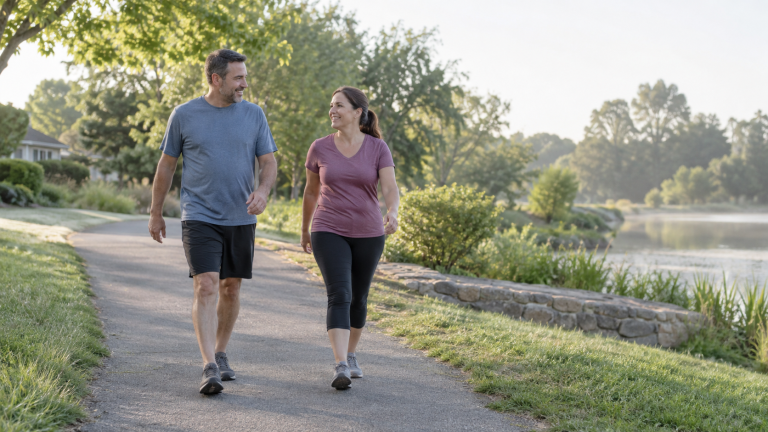
Walking with another person changes the experience completely. Conversation makes the time pass, and an arrangement with someone else is far harder to cancel than a plan with yourself. The CDC specifically recommends inviting friends and family to be active with you and planning social activities around exercise, and the NHS suggests joining a walking group if you would like company.
If your schedule does not line up with anyone else’s, you can still borrow company: a regular phone call with a friend or family member while you walk, a podcast series you only listen to on walks, or an audiobook you ration to walking time. Reserving something you enjoy for the walk turns it into a small reward rather than a duty.
Give the walk a purpose
A walk with a job to do rarely feels like exercise. The NHS list of ways to fit walking into daily life is essentially a list of purposes: walk part of the way to work, walk to the shops instead of driving, take the stairs, walk children to school. Add to that:
- The errand walk: post the letter, return the library book, buy the one thing you forgot.
- The thinking walk: take a problem you are stuck on and walk until you have an answer, or at least a next step.
- The photo walk: set yourself a theme (doors, dogs, a particular colour) and collect pictures.
- The nature walk: learn to identify three trees or birds on your route. Free apps can help, and you will start noticing seasons change.
Play with pace
A single steady speed for twenty minutes can feel monotonous. Mixing pace also helps you spend more of the walk at the brisk, moderate-intensity level that counts most toward the weekly guideline. The CDC’s test for moderate intensity is that you can talk but not sing; vigorous is when you cannot say more than a few words without pausing for breath (CDC: Measuring intensity). Try:
- Lamp-post intervals: brisk to the next lamp-post, easy to the one after, repeat.
- Song intervals: one song brisk, one song easy.
- Hill rewards: push up the hill, enjoy the view and an easy pace at the top.
- The last-five-minutes finish: stroll for most of the walk, then walk the last five minutes as briskly as you comfortably can.
Make the weather less of an excuse
Bad weather is one of the most common reasons walks get skipped, and the CDC’s suggested fix is to have indoor alternatives ready (it lists mall walking and stair climbing) or to decide in advance that you will go out regardless (CDC). A waterproof jacket, a hat, and shoes that cope with wet ground remove most of the objection. Many regular walkers find that rainy walks become a quiet pleasure once they stop being an emergency.
Build small rituals
Enjoyment often comes from the frame around the activity rather than the activity itself. A few examples people use:
- A specific coffee or tea that you only have after the walk.
- A bench or spot where you always stop for a minute.
- Noting one thing you noticed on each walk in a notebook or notes app.
- A weekend “long walk” somewhere new, treated as an outing rather than exercise.
These may sound trivial, but they are what convert a walk from something you should do into something you do.
Track it lightly, if at all
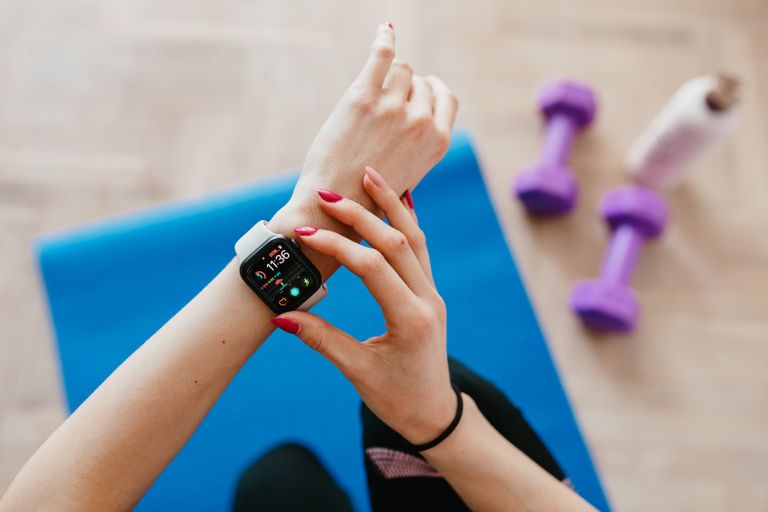
Tracking helps some people and drains the fun out of it for others. If you like numbers, note your weekly minutes or steps and enjoy watching them drift upward; research on daily steps suggests that most of the health benefit is captured well below the famous 10,000 mark, particularly for adults over 60 (UNC summary of Paluch et al., 2022). If numbers make walking feel like homework, leave the tracker at home and go by how you feel. Our guide to tracking progress beyond the scale has other ways to notice change.
When comfort is the real problem
Sometimes a walk is not enjoyable because something hurts: heels, arches, shins, or a rubbing toe. That is a footwear problem, not a motivation problem, and it is usually fixable. See What to Look for in Walking Shoes for a plain-language guide to fit.
The takeaway
Vary the route, walk with someone or something you enjoy, give the walk a purpose, and mix up your pace. If you are just getting started, pair these ideas with the four-week plan in How to Start Walking for Exercise. For how walking fits into a wider routine, see the Beginner Fitness Guide.
Sources
- CDC, Overcoming Barriers to Physical Activity
- CDC, Measuring Physical Activity Intensity
- NHS, Walking for health
- Paluch AE et al., Daily steps and all-cause mortality, The Lancet Public Health, 2022
Content on Fitness With Fun is for general educational purposes and is not a substitute for personalized advice from a qualified healthcare professional.