How to Set Up a Small Home Gym on a Budget
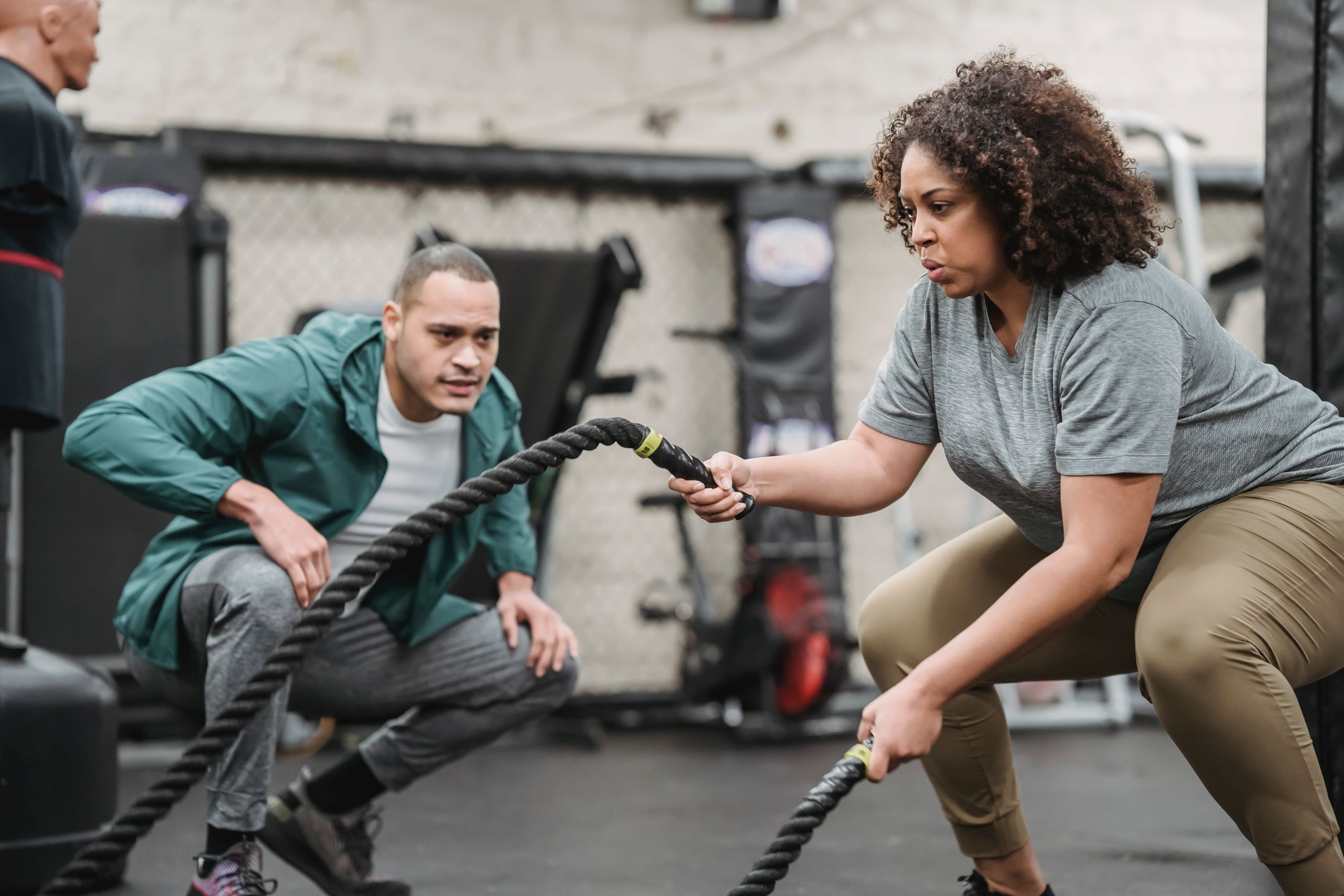
Setting up a small home gym on a budget is an endeavor that many fitness enthusiasts and beginners alike are considering today. The allure of having your own space to work out, free from the crowds and costs associated with commercial gyms, is immensely appealing. However, the challenge often lies in finding affordable yet effective equipment and creating a functional space that meets your fitness needs. This article will guide you through the essential steps to establish a budget-friendly home gym, from planning the space and acquiring the right equipment to maximizing your investments over time.
1. Planning Your Home Gym Space
1.1 Assessing Available Space
The first step in creating your home gym is to assess the space you have available. This could be a spare room, a corner of your living area, or even a garage. Measure the area to determine how much room you can dedicate to your workout routine. Consider the ceiling height, especially if you plan on incorporating exercises that require more vertical space, such as jumping or overhead lifts.
In addition to square footage, think about the flow of movement you’ll need. Ensure that there is enough room to perform exercises without feeling cramped, as this can affect your performance and enjoyment during workouts.
1.2 Choosing the Right Location
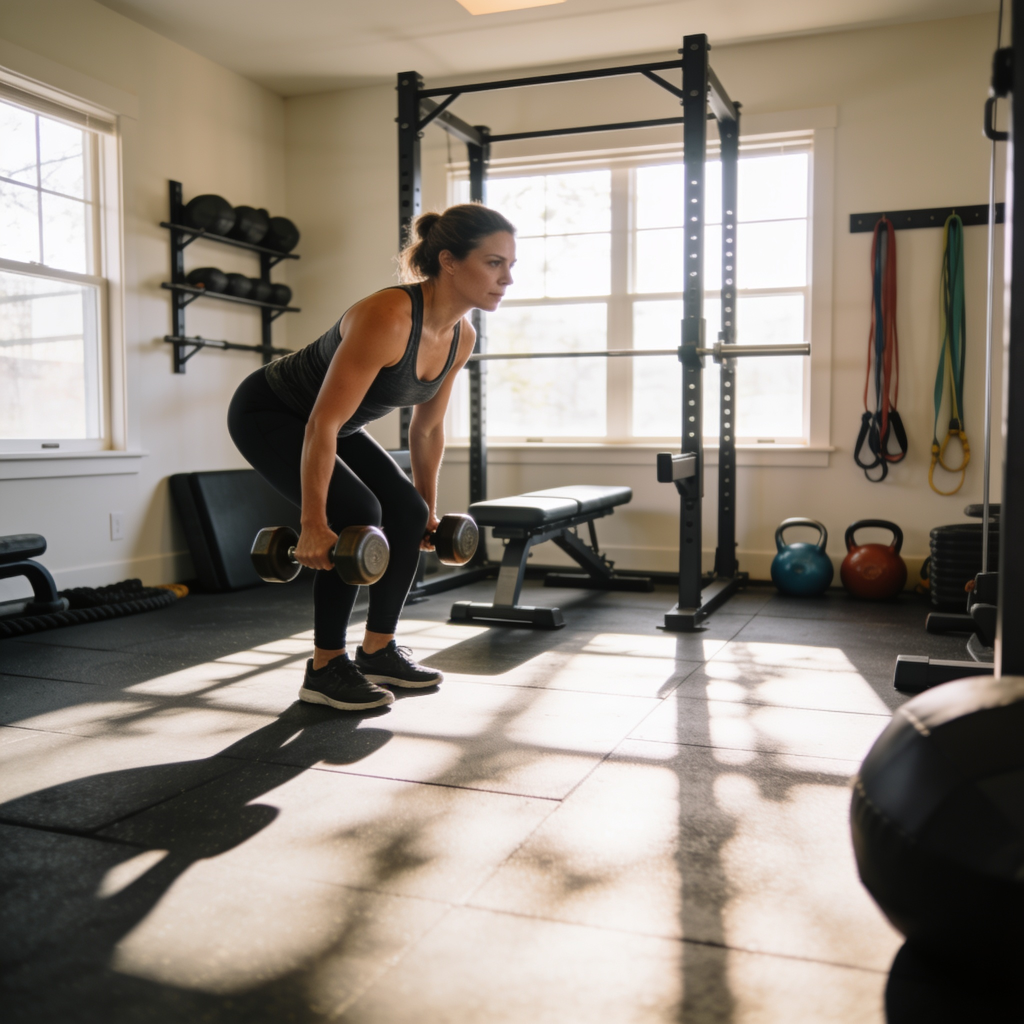
Once you have assessed your available space, the next step is to choose the right location for your home gym. Ideally, this should be an area that is quiet and free from distractions, allowing you to focus on your workouts. If possible, select a space with good natural light, as this can enhance your mood and energy levels during exercise.
Moreover, think about the accessibility of the space. You should be able to easily access your workout equipment and have enough room to move around freely. A non-slip floor surface is also beneficial, ensuring you can exercise safely.
1.3 Creating a Functional Layout
The layout of your home gym is crucial to its functionality. Start by placing your larger equipment, such as a treadmill or weights, first, ensuring that they are accessible and do not obstruct movement. Create designated areas for different types of exercises, such as cardio and strength training.
Incorporating mirrors can also be beneficial, as they allow you to monitor your form while exercising. Finally, consider adding personal touches like motivational posters and a sound system to enhance your workout atmosphere.
2. Essential Budget-Friendly Equipment
2.1 Must-Have Items for Beginners
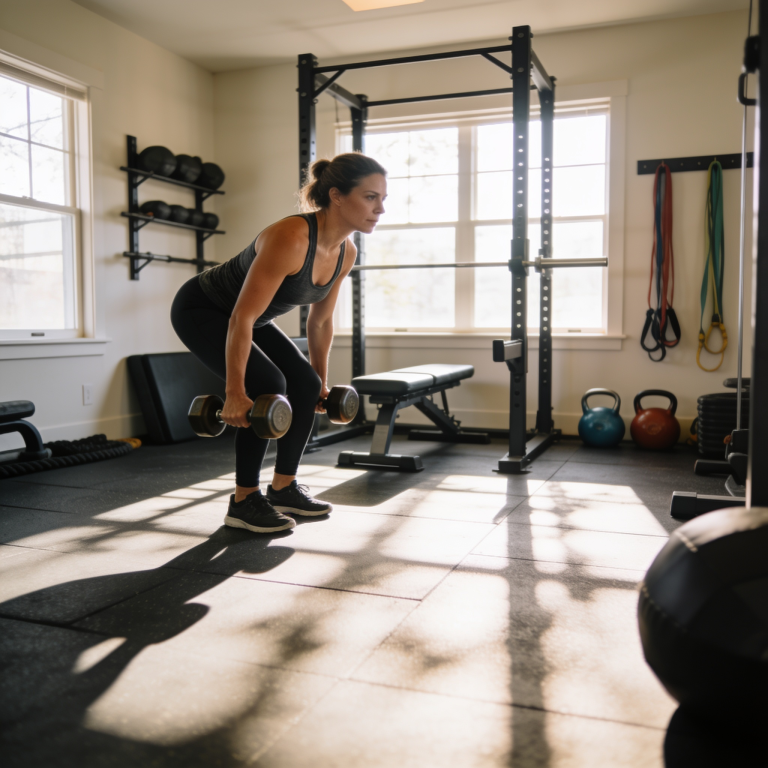
When starting out, it’s essential to focus on the fundamental equipment that will allow you to perform a variety of exercises. Key pieces include a set of dumbbells, a stability ball, resistance bands, and a yoga mat. These items are not only affordable but also versatile, enabling a wide range of workouts targeting different muscle groups.
Additionally, consider investing in a jump rope for cardio workouts, as it is cost-effective and provides an excellent cardiovascular workout in a compact form.
2.2 Affordable Alternatives to High-End Gear
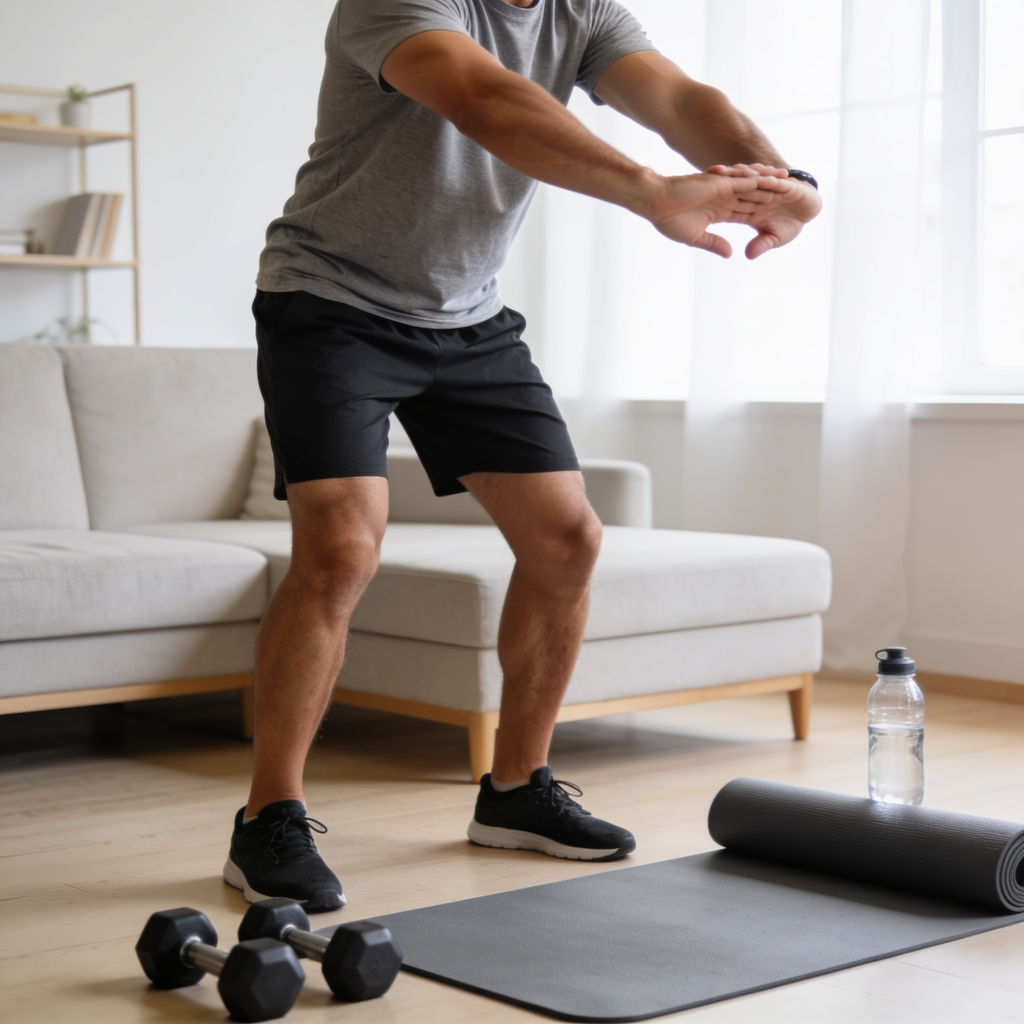
While high-end gym equipment can be appealing, there are numerous affordable alternatives that can provide similar benefits. For instance, instead of a costly stationary bike, consider a second-hand model or even an inexpensive exercise bike that allows for varied resistance levels.
Another option is to use online workout videos that require minimal or no equipment, helping you stay fit without spending excessive amounts on gym machines. Bodyweight exercises, such as push-ups, squats, and lunges, can be highly effective and require no investment.
3. Multi-Use and Affordable Gear Options
3.1 Versatile Equipment for Limited Space
Investing in multi-use equipment can save you both space and money. For example, kettlebells can be used for strength training, cardio, and flexibility exercises, making them an excellent addition to any home gym. Adjustable dumbbells are another smart choice, allowing you to modify the weight as needed without requiring multiple sets.
Resistance bands are also incredibly versatile, offering various levels of resistance and being lightweight and easy to store. These options allow you to maintain a comprehensive workout routine without compromising on space or budget.
3.2 DIY Solutions for Cost-Effective Gear
If you are particularly keen on saving money, consider creating your own gym equipment. For instance, you can fill a backpack with books or water bottles to use as a weight for squats or deadlifts. Alternatively, make a plyometric box using sturdy wood materials for box jumps and step-ups.
DIY solutions not only cut costs but also allow for creativity in your workouts. Ensure that any homemade equipment is safe to use and stable to prevent injuries.
4. Setting a Realistic Budget
4.1 Determining Your Financial Limits
Establishing a budget is a crucial step in creating your home gym. Begin by determining how much you are willing to spend. Consider your fitness goals and how much you would typically spend on a gym membership, then compare this with potential costs for equipment and space modifications.
It’s wise to create a list of essential items and their estimated costs, which will help you identify your spending limits and avoid unnecessary purchases. Be honest with yourself about your budget and stick to it to ensure a financially sustainable setup.
4.2 Prioritizing Equipment Purchases
Once you have a budget in place, prioritize your equipment purchases based on your fitness goals and the functionalities you need. For instance, if your primary focus is building strength, prioritize free weights and resistance bands over items like cardio machines.
Additionally, consider starting with a few fundamental pieces and gradually adding to your collection as your budget allows. This approach allows you to invest in quality items that meet your evolving fitness needs, ensuring continuous motivation and progress.
5. Where to Find Deals and Secondhand Gear
5.1 Online Marketplaces and Classifieds
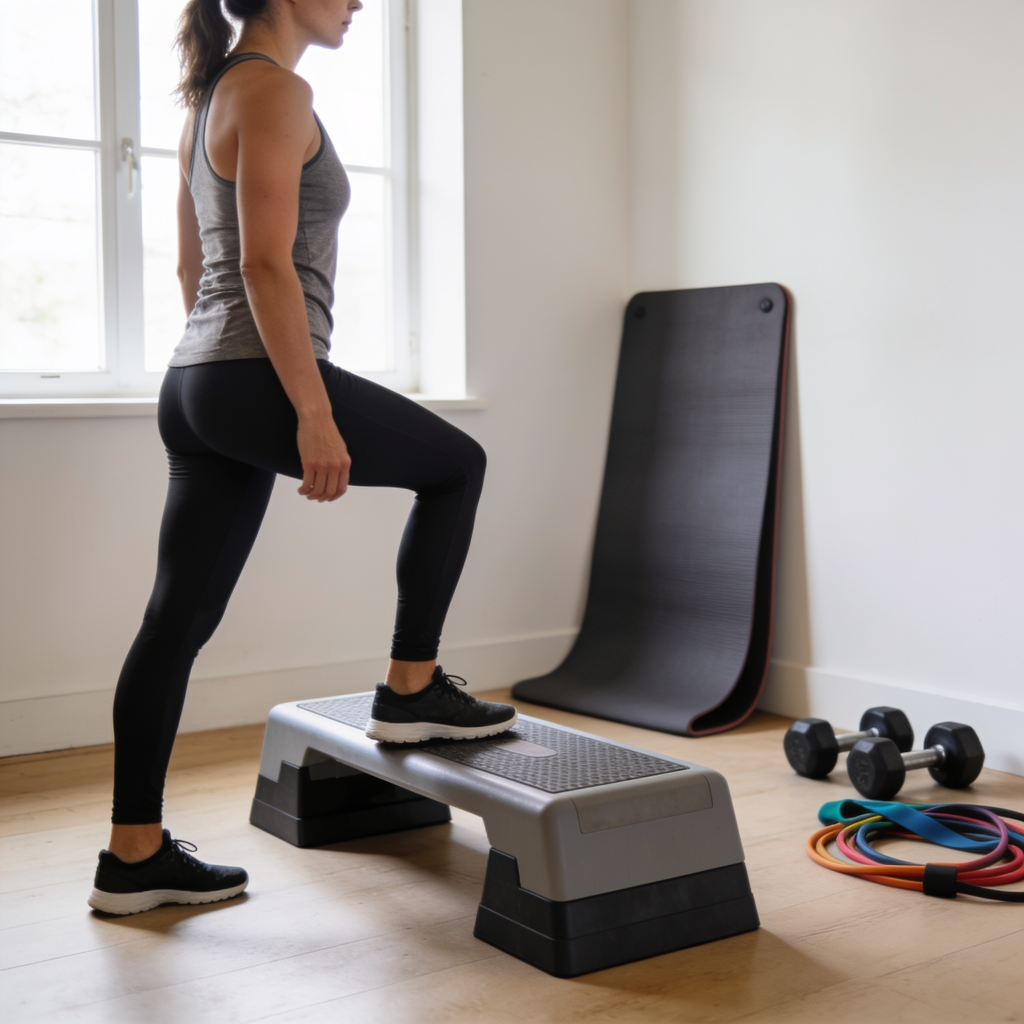
One of the best ways to find budget-friendly equipment is through online marketplaces and classifieds. Websites like Craigslist, Facebook Marketplace, and OfferUp often have listings for secondhand gym gear at reduced prices. Be sure to check the condition of the items and negotiate prices if possible.
Additionally, consider joining local fitness groups on social media where members may sell or trade equipment. This can help you find great deals while also connecting with like-minded individuals in your community.
5.2 Local Thrift Stores and Garage Sales
Don’t underestimate the potential of local thrift stores and garage sales to uncover budget-friendly fitness gear. Many people sell or donate fitness equipment they no longer use, often at a fraction of the original price. This is a great way to score high-quality items for little money.
When visiting thrift stores or garage sales, keep an open mind. You may find unique items that can add value to your gym setup, such as yoga mats, weights, or even fitness DVDs. Always inspect items for wear and tear to ensure they are safe for use.
6. Flooring and Safety Basics
6.1 Importance of Proper Flooring
The type of flooring in your home gym can significantly impact your workouts and safety. Investing in appropriate flooring can prevent injuries and provide better support during exercises. Consider options like interlocking foam mats or rubber flooring, which provide cushioning and can absorb impact effectively.
Additionally, the right flooring helps with noise reduction and protects your home from damage, especially when using heavier equipment. If you are on a tighter budget, consider using area rugs or carpet remnants in combination with gym mats to create a safer workout environment.
6.2 Safety Tips for Home Gym Setup
Safety should always be a priority when setting up your home gym. Ensure that all equipment is stable and free from hazards. Regularly inspect your gear for wear and tear, and replace items that may pose risks.
Additionally, familiarize yourself with proper exercise techniques, especially when using weights, to minimize the risk of injury. Having a first aid kit nearby is also a good idea, ensuring you are prepared for any minor accidents that may occur during workouts.
7. Organizing a Small Space
7.1 Effective Storage Solutions
Keeping your home gym organized is essential for creating an inviting workout environment. Think of innovative storage solutions, such as wall-mounted shelves, pegboards, or baskets, to store smaller equipment like resistance bands and jump ropes. This will not only maximize your space but also make it easier to access your gear when needed.
Utilizing vertical space is especially important in small areas. Consider hanging weights or using racks that store equipment off the floor, allowing you to keep everything tidy and accessible.
7.2 Maximizing Vertical Space
In small home gyms, vertical space can be a game-changer. Utilize wall space for hanging items like kettlebells, resistance bands, or yoga mats. Wall-mounted racks or shelves can hold smaller items, allowing for easier access while keeping the floor area clear for workouts.
Additionally, consider using a tall storage cabinet to house your equipment out of sight. This can help to maintain a clean and organized appearance in your gym while ensuring that all your essentials are easily retrievable.
8. Building Up Your Gym Over Time
8.1 Gradual Investment in Equipment
Creating a home gym doesn’t have to happen all at once. A gradual approach allows you to invest in quality equipment over time, ensuring that each piece serves a specific purpose and meets your fitness requirements. Start with foundational items, and as your fitness goals evolve, consider adding more specialized gear.
This approach not only helps you to manage your budget effectively but also keeps your gym fresh and engaging, preventing workout monotony as you diversify your fitness regimen.
8.2 Setting Goals for Future Purchases
Setting specific goals for future equipment purchases can help you stay focused and motivated. For instance, if you aim to incorporate more cardio workouts, plan to invest in an affordable stationary bike or jump rope within a few months. Align your purchases with your fitness progression, ensuring that each new addition enhances your workout experience.
By strategically planning your investments over time, you can build a comprehensive home gym tailored to your unique fitness journey, maximizing both your effort and enjoyment.
Conclusion
In conclusion, setting up a small home gym on a budget is entirely achievable with careful planning and smart decision-making. By assessing your available space, prioritizing essential equipment, and utilizing creative storage solutions, you can create an effective workout environment that suits your needs without breaking the bank. Remember that building a home gym is a gradual process, and with time, you can expand your setup to keep your fitness routine fresh and engaging.
FAQs
What are the key items I need to start a home gym?
Key items for a beginner’s home gym include dumbbells, resistance bands, a yoga mat, and a stability ball. These items allow for a variety of exercises without requiring a large investment.
How can I save money while setting up my gym?
You can save money by purchasing secondhand equipment, using DIY solutions for gym gear, and focusing on versatile, multi-use items instead of specialized equipment.
Is it necessary to have special flooring for a home gym?
While not mandatory, having proper flooring can enhance safety and comfort during workouts. Options like foam mats or rubber flooring provide cushioning and protect your home’s surfaces.
How can I stay organized in a small home gym?
Effective storage solutions, such as wall-mounted racks and baskets, can help you keep your home gym organized. Utilizing vertical space is essential in small areas.
Can I build my gym over time?
Absolutely! Building your gym gradually allows you to invest in quality equipment that meets your evolving fitness needs while staying within budget.