Home Workouts for Beginners: The Complete No-Equipment Starter Guide
Introduction
In today’s fast-paced world, many individuals seek efficient ways to stay fit without the constraints of gym memberships or traveling to fitness centers. Home workouts have emerged as a popular and accessible solution for beginners looking to establish a consistent exercise routine. This article will delve into the various aspects of starting a home workout regimen, emphasizing no-equipment exercises that can be performed in the comfort of your own space. We will explore the benefits of working out at home, how to set up your environment, and provide a comprehensive guide to warming up safely, performing beginner exercises, and maintaining motivation.
Benefits of Working Out at Home
Cost-Effectiveness
One of the most significant advantages of home workouts is the cost savings. Traditional gyms often require monthly memberships, which can accumulate over time. Additionally, the need for expensive workout gear can be a barrier for many. By exercising at home, individuals can utilize their body weight as resistance, eliminating the need for costly equipment. This makes fitness accessible to a broader audience, allowing anyone to start their fitness journey without financial strain.
Furthermore, home workouts remove the need for transportation costs or time spent commuting to the gym. This not only saves money but also allows for more flexibility in scheduling workouts. Individuals can exercise anytime that suits them, making it easier to incorporate fitness into busy lifestyles.
Convenience and Flexibility
Home workouts offer unparalleled convenience. There is no need to adhere to gym hours; individuals can work out early in the morning, during lunch breaks, or late at night as per their schedule. This flexibility is particularly beneficial for beginners who may be juggling work, family, and other obligations.
Moreover, the ability to engage in workouts without the distractions or interruptions of a public gym environment can enhance focus and enjoyment. Personalized workouts can be tailored to individual preferences, ensuring that beginners can explore various exercises that resonate with them, thereby fostering a positive relationship with fitness.
Setting Up a Small Workout Space
Choosing the Right Location
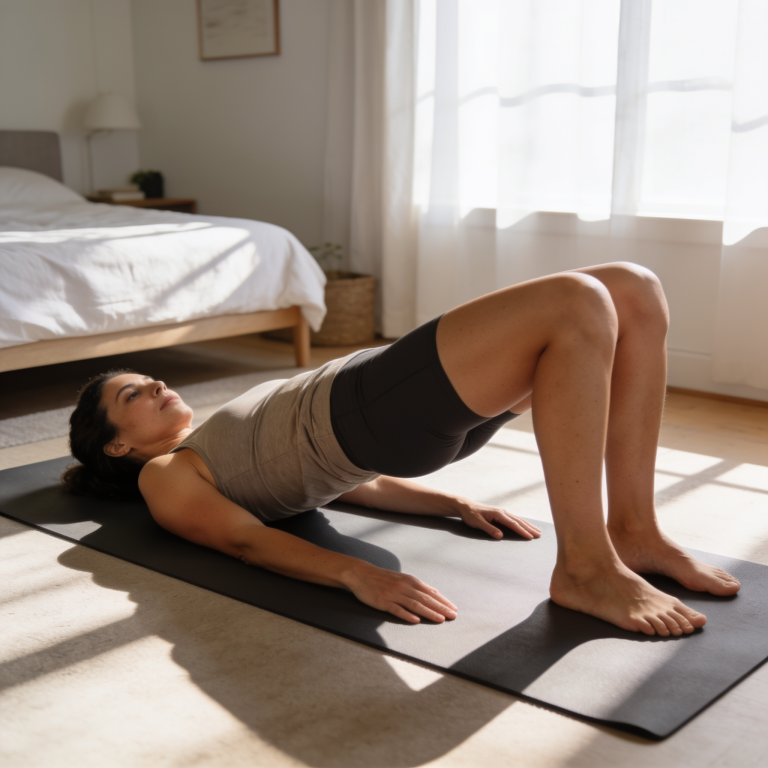
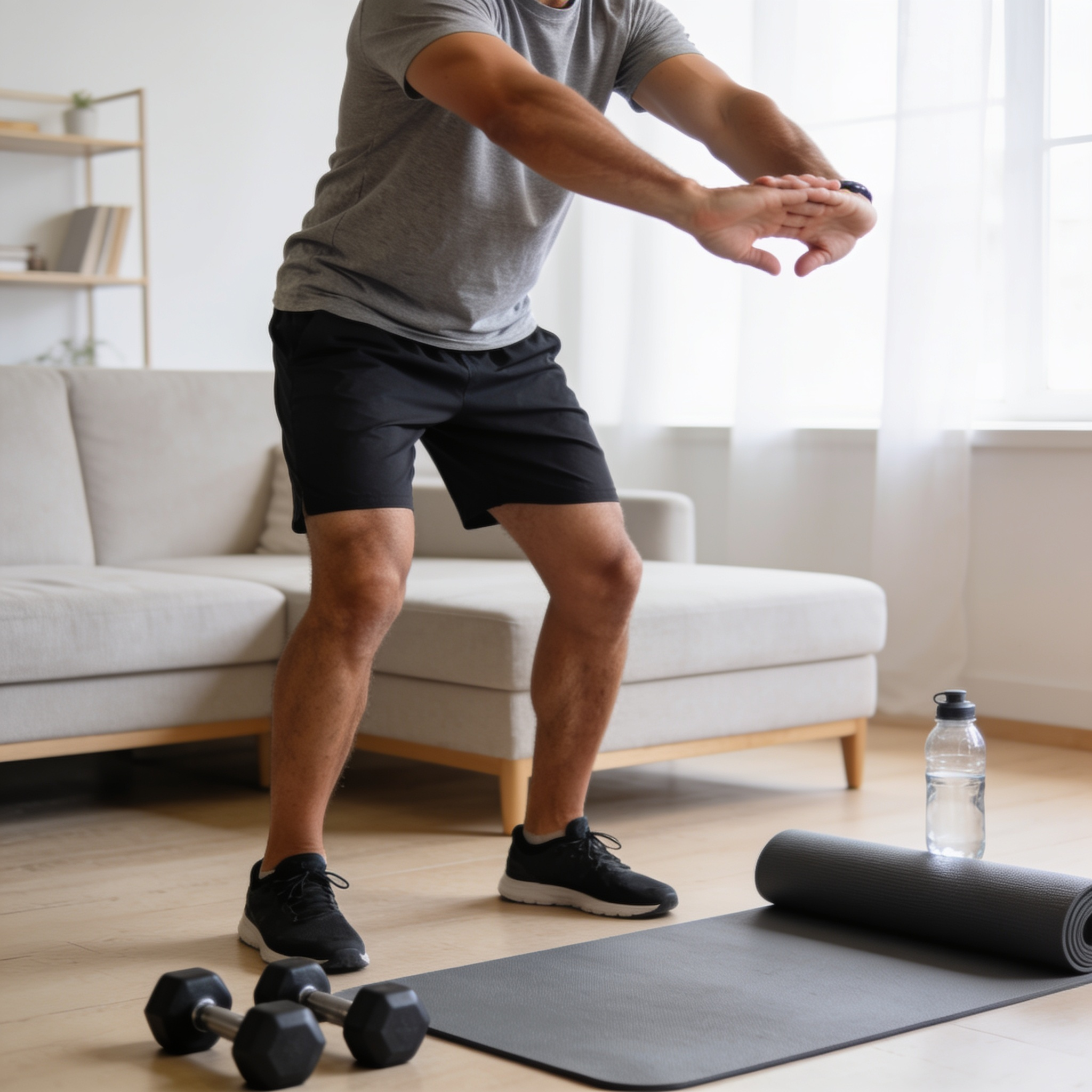
Establishing a dedicated workout space at home is crucial for creating an effective exercise routine. It doesn’t need to be large; a small corner of a room can work just fine. The key is to choose a location that is free from distractions and has enough space for basic movements. Areas with good ventilation and natural light can also enhance the workout experience.
When selecting a location, consider the availability of flooring conducive to exercise. A carpeted area can provide a soft surface for floor exercises, while a hard surface may be better for activities that require jumping or stability.
Essential Equipment Alternatives
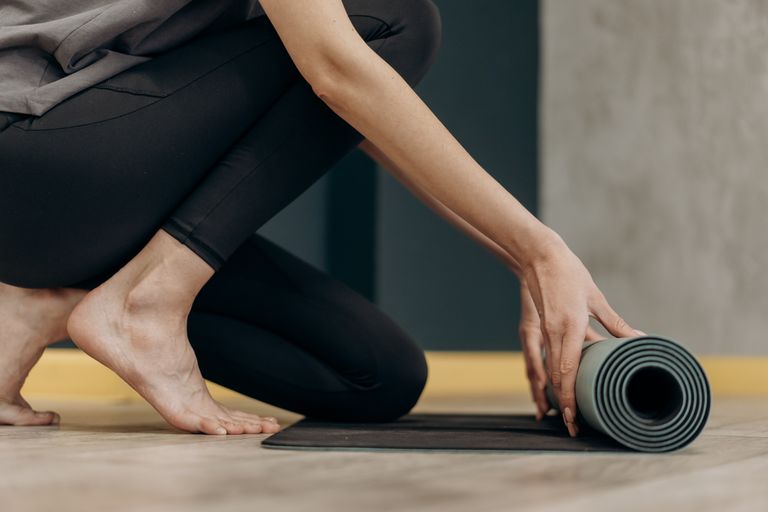
While this guide focuses on no-equipment workouts, having a few basic items can enhance your home workout experience. Options like a mat for comfort during floor exercises, resistance bands for added intensity, or a sturdy chair for modified exercises can be beneficial. If these items are not available, household objects such as water bottles, backpacks filled with books, or towels can serve as alternatives to improve resistance and variety in workouts.
Ultimately, the most important factor is creativity and resourcefulness. A well-rounded routine can be developed without the need for expensive equipment.
Creating a Motivating Environment
Creating an inviting workout space can significantly impact motivation levels. Consider decorating the area with inspiring quotes, visual reminders of fitness goals, or pictures that motivate you. Maintaining cleanliness and organization in your workout space can also provide a sense of serenity and readiness to exercise.
Furthermore, playing energetic music or following along with online workout videos can invigorate your home workouts. This multi-sensory approach can help make exercising feel less like a chore and more like an enjoyable routine.
Warming Up Safely
Importance of Warming Up
Warming up is a crucial component of any workout regimen, especially for beginners. It prepares the body for physical activity, increases blood flow to the muscles, and reduces the risk of injury. A proper warm-up can also enhance performance by gradually elevating the heart rate and activating the muscles that will be used during the workout.
For beginners, a warm-up should last between 5 to 10 minutes. It should consist of light aerobic movements combined with dynamic stretches to loosen the muscles and joints.
Effective Warm-Up Exercises
Some effective warm-up exercises include arm circles, leg swings, and torso twists. These movements can be performed in a controlled manner to ensure the muscles are adequately prepared. Incorporating light cardio such as jogging in place or jumping jacks can also elevate the heart rate and prime the body for more intense workouts.
As a beginner, it’s essential to focus on gentle movements that promote blood circulation without causing strain. Gradually increasing the intensity of the warm-up can help transition into more strenuous exercises smoothly.
Beginner No-Equipment Exercises
Bodyweight Exercises Overview
Bodyweight exercises are perfect for beginners as they utilize the individual’s weight for resistance, negating the need for any additional equipment. These movements can be easily modified to suit varying fitness levels and can be performed anywhere. The versatility of bodyweight exercises allows beginners to build strength, improve balance, and enhance flexibility over time.
Common bodyweight exercises include push-ups, squats, lunges, and planks. Each exercise targets specific muscle groups and can be adjusted in difficulty as the individual progresses. For example, push-ups can be modified to knee push-ups for beginners, while planks can be held for shorter durations and gradually increased.
Sample Exercises
| Exercise | Muscle Group Targeted | Repetitions/Duration |
|---|---|---|
| Push-Ups | Chest, Shoulders, Triceps | 8-10 reps |
| Squats | Legs, Glutes | 10-15 reps |
| Lunges | Legs, Glutes | 5-10 reps per leg |
| Plank | Core | 20-30 seconds |
Combination Moves for Efficiency
For those pressed for time, incorporating combination moves can maximize workout efficiency. Exercises such as squat to overhead press (using bodyweight) combine strength training with multi-joint movement, engaging several muscle groups simultaneously. This not only saves time but also increases calorie expenditure and builds functional strength.
Another example is the burpee, which combines a squat, push-up, and jump into one fluid movement. These compound exercises create a more dynamic routine, engaging both strength and cardiovascular systems effectively.
Building a Simple Weekly Routine
Structuring Your Week
Creating a structured weekly workout plan is essential for beginners to develop consistency. A balanced routine should include various types of workouts focusing on strength, endurance, and flexibility. For instance, a simple weekly plan may include three days dedicated to strength training, one day for cardio, and one day for flexibility or stretching.
It’s critical to allow adequate recovery time between strength sessions, especially for beginners. This could mean performing strength workouts on non-consecutive days to enable muscle recovery and growth.
Incorporating Variety
To prevent boredom and plateaus, it’s essential to incorporate variety into your routine. This can include changing the types of exercises, altering the order in which workouts are performed, or increasing the intensity. Engaging in different activities such as yoga, dancing, or circuit training can keep workouts fresh and exciting.
Moreover, using online resources or fitness apps can provide a wealth of new ideas and structured programs tailored for beginners, ensuring that workouts remain engaging.
Rest and Recovery Importance
Rest and recovery are just as crucial as the workouts themselves. Allowing the body time to recover helps prevent overtraining, reduces the risk of injury, and promotes muscle repair. Beginners should aim for at least one to two rest days a week, depending on their activity level. On rest days, light activities such as walking or gentle stretching can facilitate recovery without placing additional strain on the body.
Listening to your body is vital; if you feel fatigued or experience soreness, it’s a sign that you may need additional rest. A healthy balance between workout days and recovery will help beginners remain active and motivated over the long term.
Proper Form and Avoiding Injury
Key Principles of Good Form
Maintaining proper form during exercises is essential for maximizing effectiveness and minimizing the risk of injury. Beginners should prioritize learning the correct techniques for each movement before increasing intensity or repetitions. This foundational understanding helps build strength in a safe manner and sets the stage for future progress.
When performing exercises, it’s important to engage the core, maintain a neutral spine, and align the joints correctly. Visual aids, such as instructional videos or fitness apps, can provide guidance on proper form, helping beginners develop a keen awareness of their body mechanics during workouts.
Common Mistakes to Avoid
Beginners often make common mistakes that can lead to ineffective workouts or injuries. For example, rushing through repetitions, using poor posture, or relying on momentum instead of muscle strength can all detract from the effectiveness of exercises. It’s crucial to focus on controlled movements and to avoid pushing beyond one’s limits too quickly.
Being mindful of one’s body signals is also important. If pain (not to be confused with the discomfort of exertion) occurs during an exercise, it’s essential to stop and assess the situation. Modifications may be necessary, or a particular exercise may need to be replaced with a different movement that is less stressful on the body.
Progressing Over Time
Setting Realistic Goals
As fitness levels improve, setting realistic and achievable goals becomes important for continued motivation. Beginners should establish both short-term and long-term goals. Short-term goals could include completing a certain number of workouts per week or mastering specific exercises, while long-term goals may focus on overall fitness milestones, such as increased strength or endurance.
Writing down goals and tracking progress can create a sense of accountability and accomplishment, serving as a motivating factor for adherence to the fitness regimen.
When to Increase Intensity
As strength and confidence grow, individuals may wish to increase the intensity of their workouts. This can be achieved by adding more repetitions, reducing rest times, or incorporating more challenging variations of exercises. Beginners should aim to gradually progress, ensuring not to overwhelm themselves too soon.
It’s also essential to monitor one’s body and recognize when it is ready for an increase in intensity. The key is to ensure that improvements are sustainable while minimizing the risk of injury.
Tracking Your Progress
Keeping a workout journal can be beneficial in tracking progress over time. Documenting workouts, noting improvements in strength, endurance, and overall feelings can offer insights into how fitness levels are changing. This practice can highlight accomplishments, reinforcing motivation and commitment to the home workout journey.
Additionally, many fitness apps allow for tracking various metrics, such as workout duration, calorie burn, and exercise completion, providing a digital way to visualize one’s progress.
Staying Motivated at Home
Creating a Workout Schedule
Creating a structured workout schedule is vital for maintaining motivation. Allocating specific days and times for workouts can help establish a routine and transform exercise into a habit. Utilizing planners or digital calendars can serve as effective reminders and keep fitness at the forefront of daily activities.
When building a workout schedule, it’s helpful to consider personal preferences and energy levels. Some may prefer morning workouts to kickstart their day, while others may find evening sessions more fulfilling. Tailoring the schedule to fit personal lifestyles can enhance adherence and enjoyment.
Incorporating Fun Elements
To make workouts more enjoyable, consider incorporating elements that you genuinely look forward to. This could involve selecting music playlists that energize you, trying out new online classes, or inviting friends to join in on virtual workout sessions. Making fitness social can enhance motivation and provide a sense of community, even from home.
Additionally, setting mini-challenges or rewards for achieving specific goals can create a fun and competitive element to workouts, encouraging continued engagement.
Finding Support and Community
Engaging with a community can significantly boost motivation. Online fitness forums, social media groups, or local workout communities can provide support, encouragement, and accountability. Sharing experiences, challenges, and successes with others fosters a sense of belonging and can keep individuals motivated on their fitness journeys.
Moreover, connecting with friends or family for joint workout sessions, whether in-person or virtually, can create a support system that enhances commitment and makes workouts more enjoyable.
Conclusion
Starting a home workout routine can be an empowering journey for beginners, offering numerous benefits, including cost savings, convenience, and flexibility. By creating an inviting workout space, establishing a structured routine, and focusing on safe practices, individuals can build a sustainable fitness habit without the need for expensive equipment. As motivation grows and progress is made, it’s crucial to celebrate achievements and remain engaged through varied workouts and supportive communities.
FAQs
1. Can I really get fit without any equipment?
Yes, it is entirely possible to achieve fitness goals using only bodyweight exercises. Many effective workouts can be completed without any equipment, focusing on strength, endurance, and flexibility.
2. How often should I work out at home as a beginner?
Beginners should aim for at least 3-5 workouts per week, incorporating rest days to allow for recovery. Establishing a balanced routine that includes strength training, cardio, and flexibility is key.
3. What are some common beginner bodyweight exercises?
Common beginner bodyweight exercises include push-ups, squats, lunges, and planks. These can be modified in difficulty as fitness levels improve.
4. How can I increase the intensity of my home workouts?
To increase intensity, consider adding more repetitions, reducing rest time, or trying more challenging variations of exercises. Listen to your body and gradually progress.
5. What should I do if I’m feeling unmotivated to work out at home?
Try mixing things up by changing your routine, engaging with a fitness community for support, or incorporating fun elements such as music or workout challenges to reignite motivation.