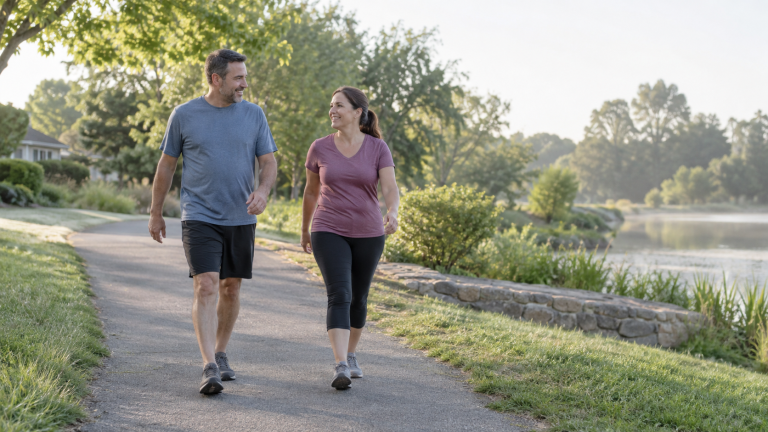
Walking for Beginners: A Complete Guide to Getting Started
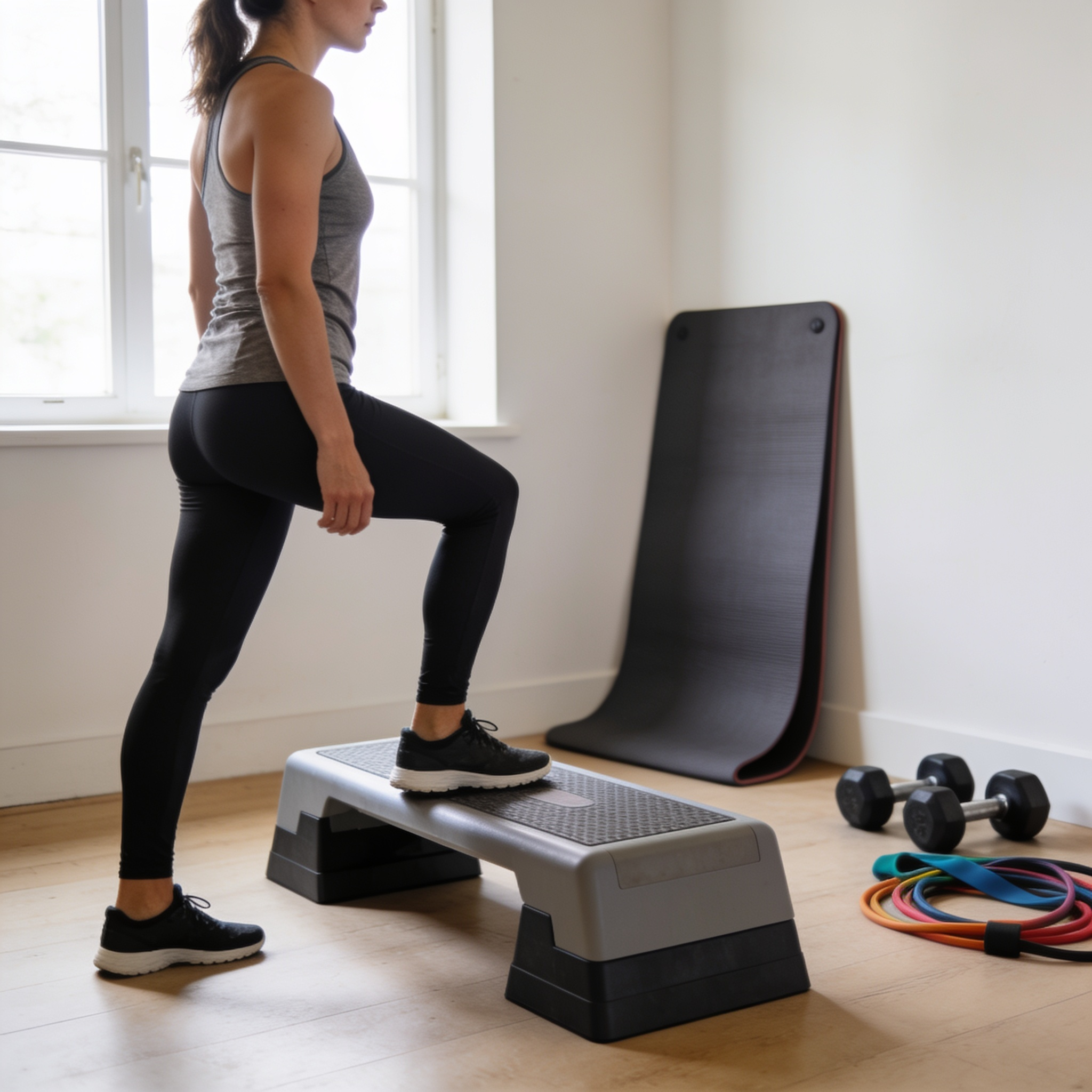
Walking is one of the simplest and most accessible forms of exercise, making it an ideal starting point for beginners looking to improve their overall health and well-being. This guide aims to provide comprehensive insights into the benefits of walking, how to start a walking routine safely, and ways to maintain motivation. Whether you’re stepping out for the first time or looking to enhance your current walking regimen, this article covers all the fundamentals you need.
Benefits of Walking for Beginners
One of the most significant benefits of walking is its positive impact on physical health. Regular walking can lead to weight loss, improved heart health, and increased endurance. Studies have shown that walking just 30 minutes a day can improve cardiovascular fitness, strengthen bones, and enhance muscle strength. Additionally, it’s a low-impact exercise that minimizes the risk of injury, making it accessible for individuals of all ages and fitness levels.
Improved Physical Health
Beyond cardiovascular benefits, walking helps in maintaining a healthy weight by burning calories. According to several studies, a person weighing around 160 pounds can burn approximately 314 calories by walking briskly for one hour. Such calorie expenditure can be beneficial for those looking to shed excess pounds or maintain their weight.
Mental Wellbeing
Walking isn’t just good for the body; it’s also beneficial for mental health. Engaging in regular physical activity, such as walking, has been linked to reduced symptoms of depression and anxiety. The act of walking releases endorphins, often termed the feel-good hormones, which can enhance mood and reduce stress levels. Furthermore, spending time outdoors and connecting with nature while walking can also contribute to increased feelings of happiness and relaxation.
Moreover, walking can provide an opportunity for mindfulness. Focusing on the rhythm of your steps and the sounds of nature can help clear your mind and foster a sense of peace. This mindfulness aspect can be particularly appealing for beginners looking to incorporate a holistic approach to their fitness journey.
How to Start a Walking Routine Safely
Choosing the Right Footwear
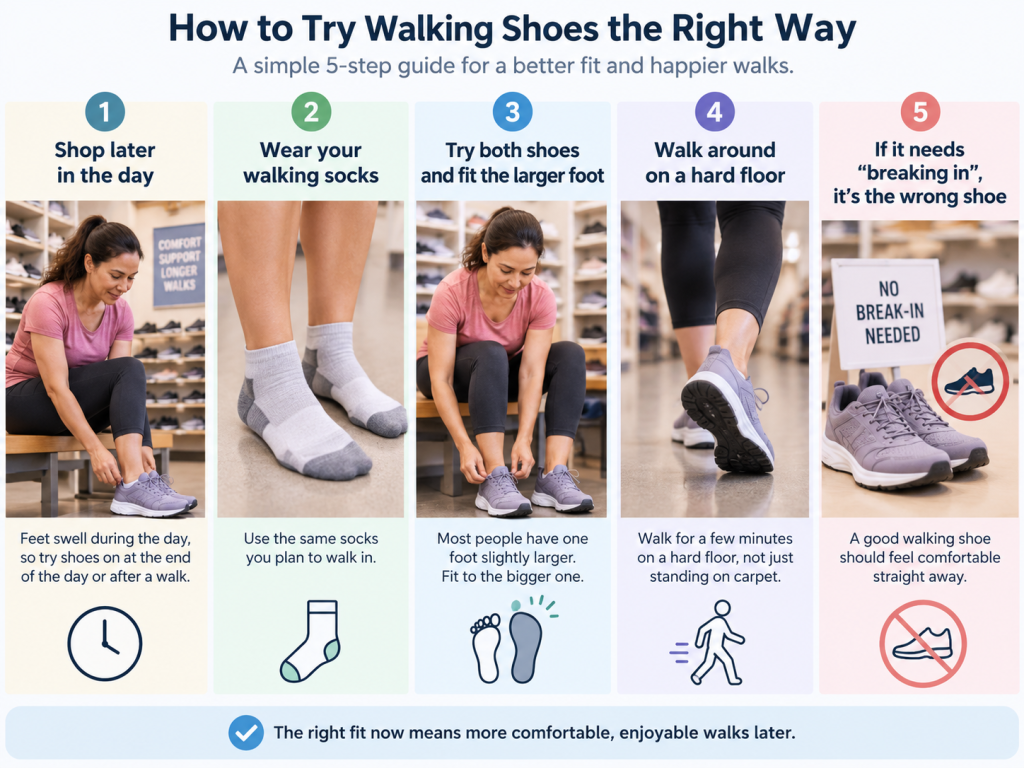
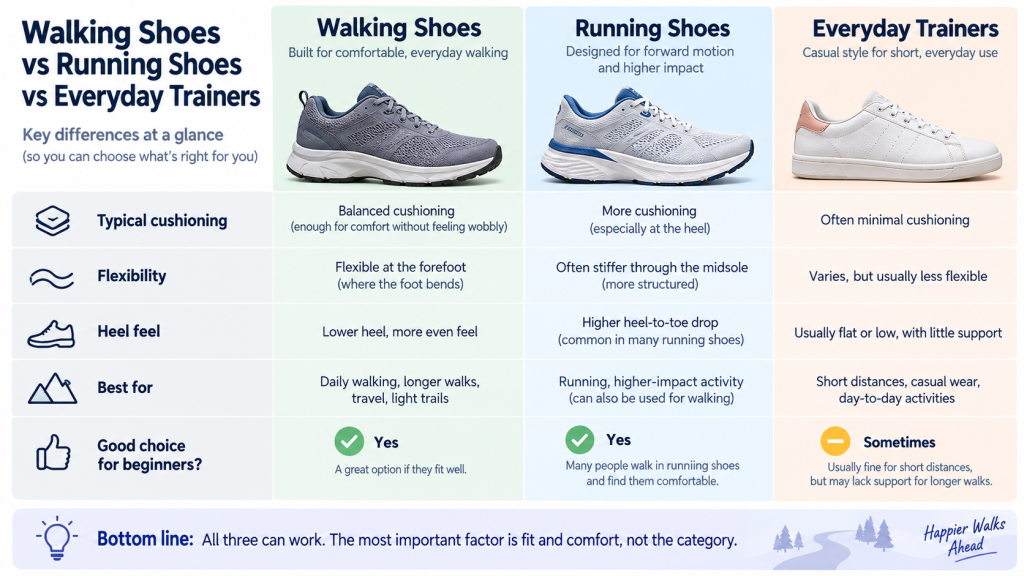
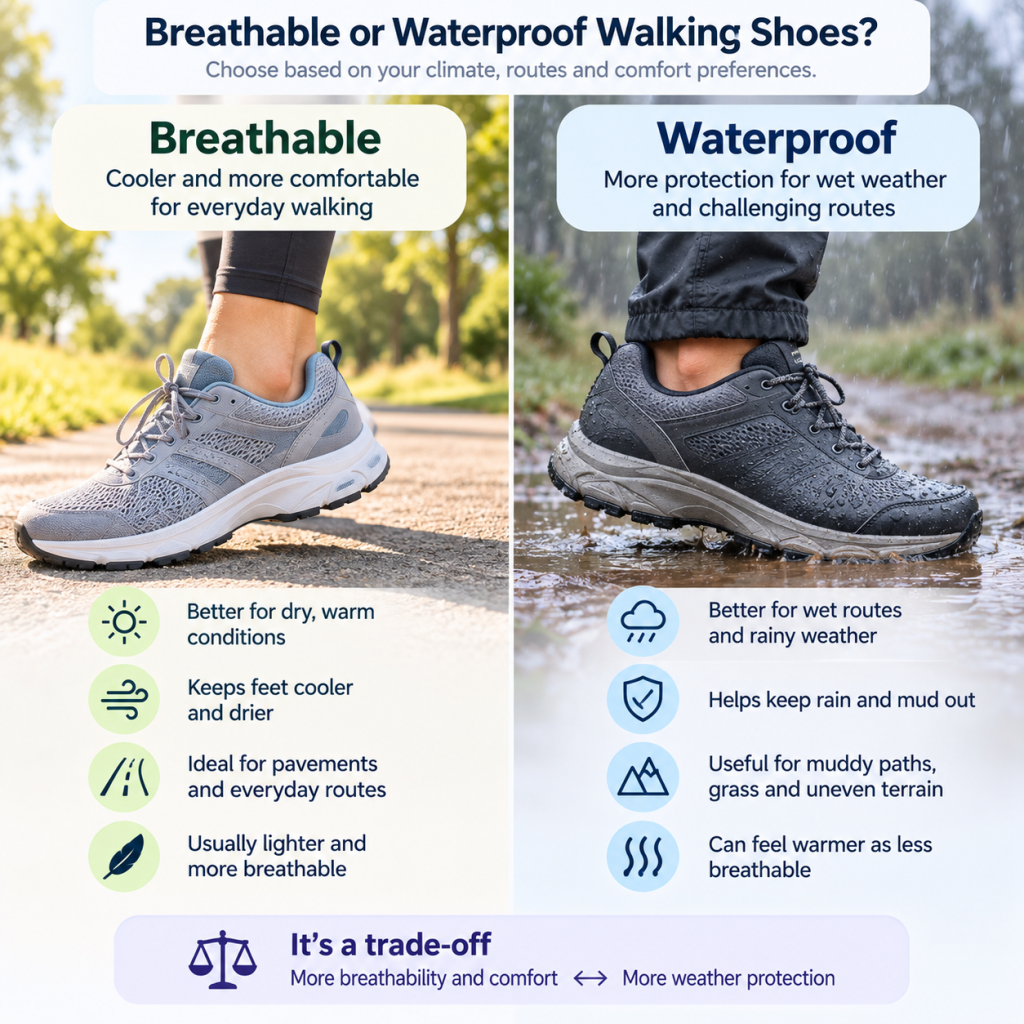
Choosing the right walking shoes is paramount to starting your walking routine safely. Well-fitted shoes with good arch support can prevent injuries and provide comfort. As a beginner, investing in a pair of quality walking shoes will enhance your experience and encourage you to stick with your routine. It’s advisable to visit a specialized store where you can try various options and get personalized advice based on your foot type and walking style.
Keep in mind that your footwear should provide good cushioning and traction, especially if you plan to walk on varied terrains. Regularly check your shoes for signs of wear and replace them when necessary to avoid discomfort or injury.
Selecting Safe Walking Routes
When starting a walking routine, it’s essential to choose safe and comfortable walking routes. If you’re walking outdoors, consider factors such as traffic, pedestrian-friendly areas, and the overall safety of the neighborhood. Parks, nature trails, and designated walking paths are often great choices, as they offer a more pleasant environment and reduce the risk of accidents.
If outdoor walking is not feasible, consider indoor alternatives like walking on a treadmill or in a large indoor space. This can be especially beneficial in inclement weather, ensuring you can maintain your routine regardless of external conditions.
Listening to Your Body
As a beginner, it’s crucial to listen to your body and be mindful of how it feels during and after walks. Start slow and gradually increase your walking duration and intensity. If you experience pain or discomfort, don’t hesitate to take breaks or seek advice from a fitness professional. Remember, walking should feel good; if it doesn’t, reassess your pace, distance, or walking surface.
Tracking how your body responds to different walking routines can also aid in developing a personalized plan that suits your fitness level. It encourages longevity in your walking journey by avoiding burnout or injury.
Proper Walking Form and Posture
Standing Tall
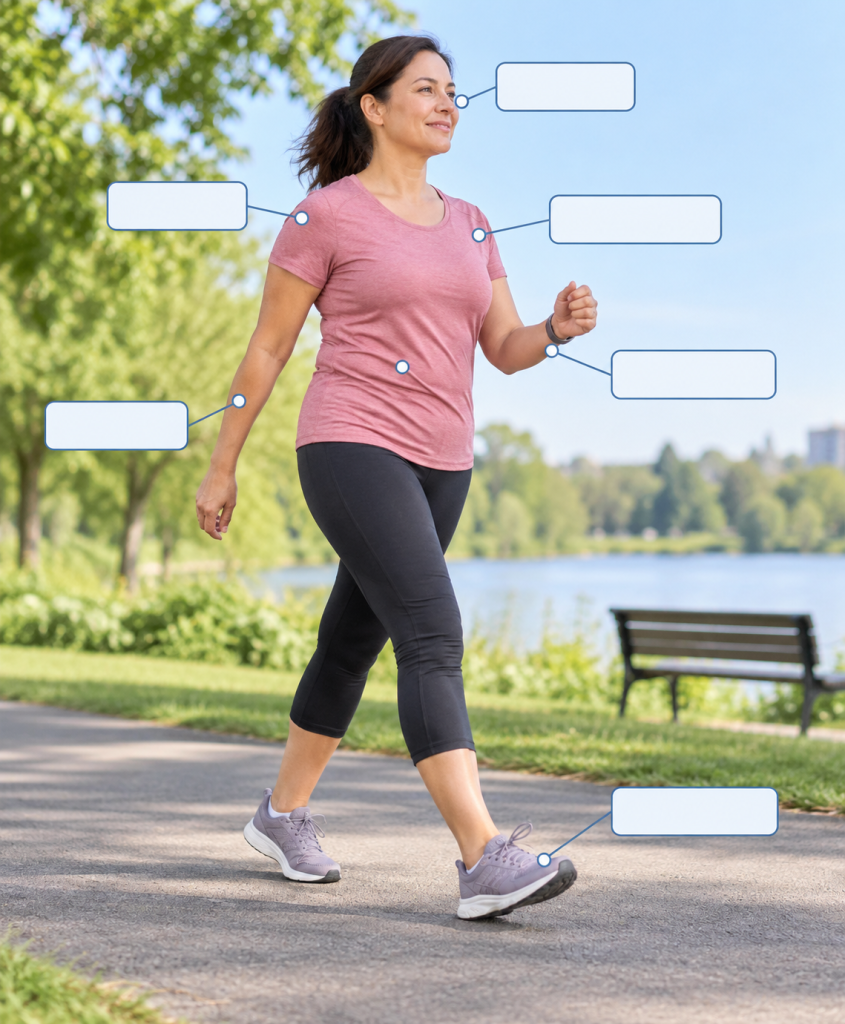
Maintaining proper posture while walking can enhance your experience and prevent injuries. Stand tall with your head up, shoulders relaxed, and back straight. Your body should be aligned, and your core engaged, which can help improve stability and balance. Proper posture not only contributes to better form but also maximizes the efficiency of your walking.
Being aware of your posture can also prevent tension in your neck and back, allowing for a more comfortable walking experience. Regularly checking in with your posture during walks can help reinforce good habits.
Arm Movement
Arm movement plays a significant role in walking efficiency. Swing your arms naturally at your sides while keeping your elbows bent at about a 90-degree angle. This motion can help propel your body forward, adding to the intensity of your walk. Additionally, it aids in maintaining balance, especially as you increase your walking pace. Focus on coordinated arm movements to complement your leg actions for a more effective workout.
Foot Placement
Proper foot placement is crucial for preventing injury and ensuring an efficient walking stride. Aim to land on your heel and roll through to your toe with each step, which helps distribute the impact evenly. Keeping your feet hip-width apart can also provide a stable base and avoid unnecessary strain on your joints.
As you walk, being mindful of your foot placement can aid in maintaining a steady pace and rhythm, adding to your overall enjoyment during walks.
How Many Steps and Minutes Per Day
Setting Realistic Goals
When starting your walking journey, setting achievable goals is essential for long-term success. The commonly referenced goal of 10,000 steps per day is a great benchmark, but beginners may want to start with a more manageable target, such as 5,000 to 7,000 steps. Gradually increasing your step count can help build stamina and confidence, making it easier to incorporate walking into your daily routine.
It’s also important to consider the duration of your walks. Starting with 10 to 15 minutes per day and slowly extending it to 30 minutes or more can be an effective way to develop your fitness without overwhelming yourself.
Tracking Your Steps
Tracking your steps can be a motivating factor in your walking journey. Using a pedometer, smartphone app, or fitness tracker can help you monitor your progress and stay accountable. Many of these tools offer insights into your walking patterns, allowing you to celebrate small victories and adjust your goals as needed.
Moreover, seeing your daily step count can encourage you to walk more, whether it’s taking the stairs instead of the elevator or opting for a walk during lunch breaks. This awareness can significantly enhance your commitment to a regular walking routine.
Benefits of Incremental Increases
Incremental increases in your walking routine are important for avoiding burnout and injury. Once you’ve comfortably established a baseline, consider increasing your distance or duration by approximately 10% each week. This gradual approach allows your body to adapt and strengthens your muscles and cardiovascular system over time.
By focusing on small, consistent improvements, you can build endurance and confidence while ensuring that your walking routine remains both enjoyable and sustainable.
Warming Up and Cooling Down
Importance of Warm-Up Exercises
Warming up before your walks is essential in preparing your muscles and joints for exercise. A simple warm-up routine can include dynamic stretches, such as leg swings or gentle arm circles, which help increase blood flow and enhance flexibility. A five-minute warm-up can significantly reduce the risk of injury and improve your overall performance during your walk.
Additionally, warming up can help you mentally transition into your walking routine, allowing you to focus on your goals and enjoy the experience fully. This ritual sets a positive tone for the workout ahead.
Effective Cool Down Techniques
Just as warming up is crucial, cooling down after your walk is equally important. Gradually slowing your pace for the last few minutes of your walk allows your heart rate to return to normal and aids in recovery. After stopping, spend a few minutes stretching your major muscle groups, focusing on your legs, hips, and lower back. This can help alleviate any tension and reduce the risk of soreness afterward.
A proper cool down not only enhances recovery but also reinforces the importance of self-care in your fitness journey. Embracing this habit will make your walking experience more enjoyable and sustainable.
Building Consistency and Habit
Creating a Walking Schedule
Consistency is key when establishing a walking routine. Creating a walking schedule can help integrate walking into your daily life. Determine the best times for you to walk, whether it’s early in the morning, during lunch, or after dinner, and stick to it. Setting aside specific times in your calendar can help you prioritize your walks and make them a non-negotiable part of your day.
Consider using reminders or alarms to prompt you when it’s time to walk. Making it a routine can help solidify walking as a habit, making it easier to stick with over time.
Finding a Walking Buddy
Walking with a friend or family member can significantly enhance your experience and motivation. Having someone to walk with can provide companionship, making the activity more enjoyable. It also adds an element of accountability, as you are more likely to follow through with your plans when someone else is counting on you.
A walking buddy can help keep conversations flowing, allowing the time to pass quickly and making it feel less like exercise and more like socializing. This camaraderie can be a powerful motivator for maintaining a consistent walking routine.
Making it Enjoyable
Finding ways to make your walks enjoyable is essential for sustaining motivation. Try exploring new routes or walking in different environments, such as parks or along scenic trails. Engaging with nature can rejuvenate your spirit and enhance the overall experience of walking.
Additionally, consider incorporating music, podcasts, or audiobooks into your walks. This can help distract from any fatigue and make the time spent walking feel more enriching. The key is to find what resonates with you, ensuring that your walking routine remains a source of joy.
Common Beginner Mistakes to Avoid
Overexertion
A common mistake among beginners is overexerting themselves, which can lead to burnout or injury. It’s vital to listen to your body and start at a pace and distance that feels comfortable. Don’t feel pressured to keep up with others or to push yourself too hard too soon. Gradual progression is key to building endurance and making walking a long-term habit.
Be mindful of how your body feels during and after walks. If you experience unusual pain or fatigue, take a step back and reassess your routine. It’s better to take it slow and remain consistent than to risk injury by pushing too hard.
Skipping Warm-Ups
Many beginners overlook the importance of warming up before walks. Skipping this crucial step can lead to muscle strain and injury. Always take a few minutes to perform dynamic stretches and gradually increase your walking pace. This simple practice can help prepare your body for exercise, enhancing your overall performance and enjoyment.
Remember that warming up is not just about physical readiness; it also helps in mentally preparing for the activity. Embrace this step as part of your routine for a safer and more productive walking experience.
Neglecting Hydration
Staying hydrated is a critical aspect of any exercise routine, and walking is no exception. Beginners often underestimate their fluid needs, especially if they’re walking longer distances or in warmer weather. Always carry water with you or ensure you hydrate before and after your walks. This simple practice can prevent fatigue and keep you feeling energized.
Consider listening to your body’s signals for thirst, and remember that hydration is essential for optimal performance and recovery. Staying well-hydrated can enhance your overall walking experience and encourage you to keep moving.
How to Track Progress and Stay Motivated
Using Apps and Wearables
Utilizing technology can significantly enhance your walking routine. Many apps and fitness trackers are designed to help you track your steps, distance, and even calories burned. Some applications also offer community features, allowing you to connect with other walkers for additional motivation and support.
These tools can provide valuable feedback on your progress, helping you set new goals and stay committed to your routine. Regularly reviewing your data can serve as a motivational boost, showcasing how far you’ve come and inspiring you to keep moving forward.
Setting Mini-Challenges
Setting mini-challenges can add an element of fun and excitement to your walking routine. Consider creating personal goals, such as increasing your step count each week or seeking out new walking trails. You might also participate in local walking events or challenges that encourage community engagement.
Mini-challenges can help break the monotony of your routine and give you something to look forward to. They encourage you to push your limits while fostering a sense of accomplishment when you achieve them.
Celebrating Achievements
Celebrating your achievements, no matter how small, is vital for maintaining motivation. Recognize your progress, whether it’s reaching a certain number of steps, completing a walking challenge, or simply sticking to your routine for a month. Rewarding yourself can reinforce positive behaviors and keep you engaged in your walking journey.
Consider treating yourself to new walking gear, a relaxing day off, or a fun outing after reaching a significant milestone. These celebrations serve as reminders of your dedication and encourage ongoing commitment to your walking routine.
Conclusion
Walking is an incredible form of exercise that offers numerous physical and mental health benefits, making it an ideal choice for beginners. By following the guidelines outlined in this article, you can establish a safe and enjoyable walking routine that promotes long-term health and well-being. Remember to start slow, listen to your body, and celebrate your achievements along the way.
FAQs
What is the best time of day to walk?
The best time to walk largely depends on your personal schedule and preference. Some people enjoy morning walks as a way to start the day, while others prefer evening walks to unwind. Choose a time that fits your lifestyle and allows you to be consistent.
How can I stay motivated to walk regularly?
Staying motivated can be achieved by setting realistic goals, walking with a buddy, or using apps to track your progress. Finding ways to make your walks enjoyable, like listening to music or exploring new routes, can also keep you engaged.
Can walking help with weight loss?
Yes, walking can be an effective way to support weight loss when combined with a balanced diet. Regular walking increases the number of calories you burn, contributing to a calorie deficit which is essential for weight loss.
Is it necessary to wear special walking shoes?
While it’s not mandatory, wearing proper walking shoes can prevent injuries and provide comfort. Quality walking shoes designed for your foot type can enhance your experience and encourage you to stick with your routine.
How long should I walk each day as a beginner?
As a beginner, aim for 10 to 15 minutes of walking per day, gradually increasing to 30 minutes or more as you build endurance. The key is to listen to your body and progress at a comfortable pace.